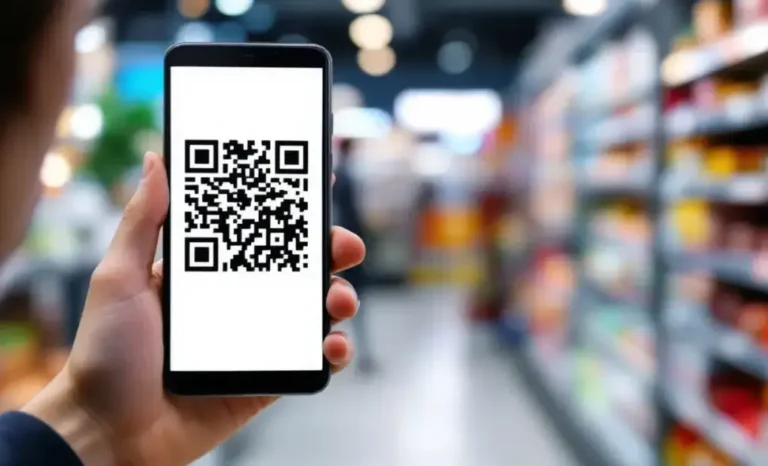
QR Code: A Small Square That Changed How We Interact Every Day – At first glance, a QR code looks simple—just a small square filled with random black-and-white patterns. But behind that simple design lies one of the most practical tools of the modern digital world. Today, QR codes quietly power how we pay, order food, access information, and connect with businesses, often without us even realizing it.
QR codes didn’t become popular overnight. Their real success came when people started valuing speed, convenience, and contactless interaction.
Why QR Codes Feel So Natural Today
Modern life moves fast. People don’t want to type long URLs, download extra apps, or fill out unnecessary forms. QR codes remove friction.
With a single scan, users can:
- Open a website instantly
- View menus or catalogs
- Make payments
- Register attendance
- Follow social media accounts
No typing. No searching. Just scan and go.
This simplicity is exactly why QR codes feel so natural in everyday use.
QR Codes as a Habit, Not a Feature
What makes QR codes powerful isn’t technology—it’s habit. Once people get used to scanning, it becomes automatic.
Think about restaurants. Many customers no longer expect a printed menu. They instinctively look for a QR code on the table. The same applies to events, parking systems, payments, and even product packaging.
QR codes have shifted from being “something new” to something people assume will be there.
Making Offline Experiences Feel Digital
One of the biggest strengths of QR codes is their ability to connect offline spaces with digital experiences.
A printed poster becomes interactive. A business card becomes clickable. A product label becomes a source of extra information.
This bridge between physical and digital makes QR codes incredibly versatile. Businesses don’t need expensive screens or complex systems—just one printed code can unlock a full online experience.
QR Codes Build Instant Access and Trust
People trust QR codes because they feel direct. When someone scans a code and gets what they expect—menu, payment page, registration form—it builds confidence.
Over time, this trust grows. Users become more willing to scan again, even in new environments.
For businesses, this means fewer barriers between curiosity and action. The easier it is to access information, the more likely people are to engage.
Beyond Payments: QR Codes Everywhere
Many people associate QR codes mainly with payments, but their use goes far beyond that.
QR codes are commonly used for:
- Digital menus
- Event check-ins
- Product authentication
- Feedback forms
- Promotions and discounts
- WiFi access
Their flexibility makes them useful for almost any industry, from retail and hospitality to education and healthcare.
QR Codes Improve User Experience
Good user experience isn’t about fancy design—it’s about removing unnecessary steps. QR codes do exactly that.
Instead of asking users to:
- Search for a website
- Remember a link
- Install an app
- QR codes take them straight to the destination.
This is especially helpful for people who are not tech-savvy. Scanning a code is often easier than navigating menus or typing addresses.
Small Businesses Benefit the Most
QR codes are not just for big brands. In fact, small businesses often benefit the most.
With minimal cost, small businesses can:
- Display menus digitally
- Collect customer reviews
- Share contact details
- Promote social media
QR codes level the playing field by giving small businesses access to simple digital tools without large investments.
QR Codes and Contactless Culture
The rise of contactless behavior has played a huge role in QR code adoption. People now prefer interactions that are fast and minimal.
QR codes support this preference perfectly. They reduce physical contact, speed up processes, and create smoother customer journeys.
Even as contactless trends stabilize, the convenience of QR codes ensures they remain relevant.
Design and Placement Matter
While QR codes are easy to create, how they’re used matters a lot. Poor placement or lack of context can make them ineffective.
Effective QR codes usually:
- Are easy to scan
- Come with a clear call-to-action
- Are placed where users expect them
A simple instruction like “Scan to view menu” or “Scan for details” significantly increases engagement.
QR Codes as a Silent Marketing Tool
QR codes don’t shout. They invite.
When used correctly, they act as silent marketing tools that guide users naturally toward content, offers, or actions. No pressure, no interruption.
This subtle approach often feels more respectful than aggressive advertising, which is why users respond well to it.
The Future Feels Even More Integrated
QR codes continue to evolve. They are becoming part of loyalty programs, digital IDs, smart packaging, and interactive experiences.
As long as people value speed and simplicity, QR codes will remain relevant. They don’t compete with new technology—they complement it.
Final Thoughts
QR codes prove that powerful tools don’t have to be complicated. By simplifying access and reducing friction, they’ve become part of everyday life.
From small businesses to global brands, QR codes help connect people with information instantly. Quiet, efficient, and practical, this small square has earned its place in the modern digital experience.