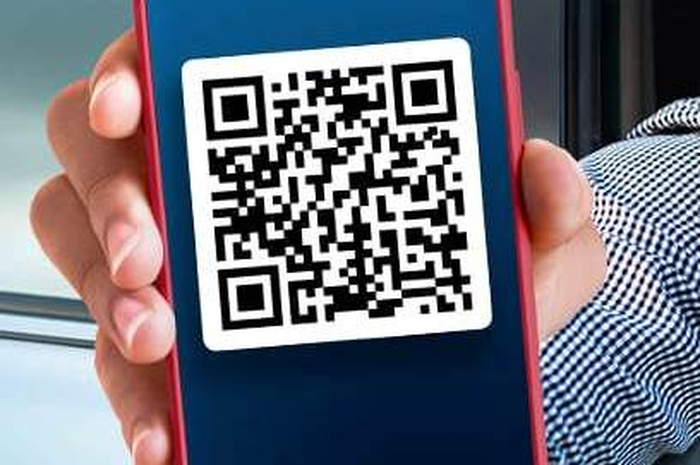
QR Code in Modern Life: Small Squares with Big Impact – QR codes may look simple, but their impact on modern life is significant. These small square patterns have changed how people interact with information, services, and even each other. What once felt like a niche technology is now part of daily routines across many industries.
From quick access to information to seamless transactions, QR codes have become a bridge between the physical and digital worlds.
The Shift from Optional to Essential
In the past, QR codes were seen as an extra feature rather than a necessity. Many people ignored them or did not understand their purpose. Over time, this perception changed.
As smartphones became more advanced and internet access more widespread, QR codes became easier to use. One scan replaced long URLs, printed instructions, and manual data entry. Convenience turned curiosity into habit.
Today, QR codes are no longer optional. They are expected.
Why People Accept QR Codes So Easily
One reason QR codes gained acceptance is simplicity. There is no learning curve. Most smartphone cameras can scan QR codes automatically, making the process feel natural.
People like QR codes because:
- They save time
- They reduce effort
- They provide instant results
- They feel modern but simple
This ease of use makes QR codes accessible to almost everyone, regardless of age or technical skill.
QR Codes as Information Shortcuts
QR codes work like shortcuts. Instead of searching manually, users are taken directly to the information they need.
For example:
- A product box links to usage instructions
- A poster leads to an event page
- A brochure opens a contact form
This direct access improves user experience and reduces confusion. Information becomes available exactly when and where it is needed.
QR Codes in Public Spaces
Public spaces increasingly rely on QR codes to communicate efficiently. Museums, transportation hubs, and public offices use them to provide directions, schedules, and updates.
Instead of printing large amounts of information, a single QR code can guide visitors to detailed content. This approach keeps physical spaces clean and organized while offering unlimited digital space.
The Role of QR Codes in Daily Transactions
Transactions have become faster thanks to QR codes. In many places, paying with cash or cards has been replaced by scanning a code and confirming a payment.
This method benefits both sides:
- Users complete payments quickly
- Vendors reduce handling time
- Transactions feel smooth and modern
QR-based systems also reduce physical contact, which has become an important factor in public environments.
QR Codes and Personal Convenience
Beyond businesses, QR codes also improve personal convenience. People use them to share information quickly without typing.
Common personal uses include:
- Sharing Wi-Fi passwords
- Exchanging contact details
- Accessing personal portfolios
- Linking to social media profiles
In these situations, QR codes act as digital connectors that simplify everyday interactions.
Trust and Awareness When Using QR Codes
While QR codes are convenient, users still need awareness. A QR code itself is neutral—it only delivers what it is programmed to deliver.
Scanning unknown codes without checking the destination can be risky. That is why awareness matters. A quick glance at the link before opening it can prevent problems.
With basic caution, QR codes remain safe and reliable.
Creative Storytelling with QR Codes
QR codes are also used creatively to tell stories. In exhibitions, books, and campaigns, QR codes add depth to physical content.
For example:
- A mural links to a video about its creation
- A book cover opens bonus chapters
- A flyer leads to behind-the-scenes content
This approach transforms static objects into interactive experiences.
QR Codes in Education and Learning
Education has also benefited from QR codes. Teachers and trainers use them to share materials instantly.
Students can scan codes to:
- Access digital worksheets
- Watch explanation videos
- Submit assignments
- Join online discussions
This method supports flexible learning and reduces dependence on printed materials.
Small Businesses and QR Code Flexibility
QR codes are especially useful for small businesses. They require minimal investment and offer maximum flexibility.
A small shop can:
- Update menus without reprinting
- Share promotions instantly
- Collect feedback easily
This flexibility allows businesses to adapt quickly without complicated systems.
QR Codes as a Long-Term Tool
Some technologies fade as trends change, but QR codes continue to adapt. Their strength lies in simplicity and versatility.
As long as people use smartphones and value convenience, QR codes will remain useful. They do not rely on complex hardware or expensive infrastructure, which makes them sustainable in the long run.
The Human Side of QR Code Usage
What makes QR codes successful is not the technology itself, but how people use it. QR codes fit naturally into human behavior—scanning, accessing, and moving on.
They remove friction from everyday actions. Less effort means better experiences, and better experiences lead to wider adoption.
Looking Ahead
QR codes are likely to evolve, but their core function will remain the same: quick access. Future improvements may focus on security, personalization, and integration with other digital systems.
Rather than replacing QR codes, new technologies are more likely to build on them.
Conclusion
QR codes may be small, but their influence is large. They simplify access to information, improve transactions, and connect physical spaces with digital content. Their success comes from practicality, not complexity.
In a fast-paced world where convenience matters, QR codes continue to prove their value. As long as people need quick and simple solutions, these small squares will remain an important part of everyday life.