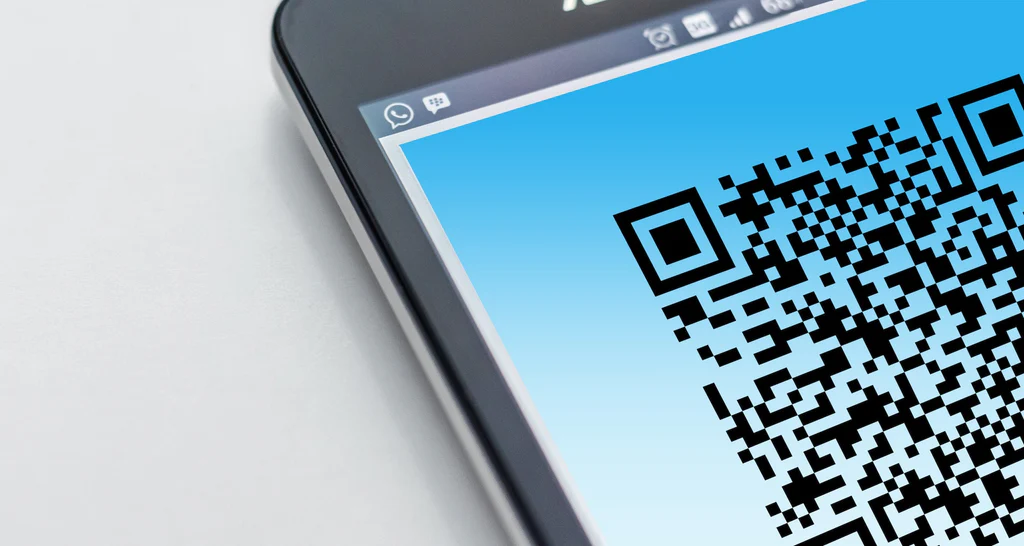
Scan This QR Code If You Dare
Scan This QR Code If You Dare – The phrase “Scan This QR Code If You Dare” instantly triggers curiosity. It feels like a challenge, a digital whisper daring you to cross a line you can’t quite see. In a world where QR codes are everywhere, from restaurant menus to street posters, this sentence adds a layer of mystery that makes people stop, stare, and often scan.
But what really happens when someone scans a QR code without knowing what’s behind it? And why has this simple square pattern become such a powerful psychological hook in modern digital culture?
The Rise of QR Codes in Everyday Life
QR codes were once a novelty. Now they are part of daily routines. Payments, promotions, Wi-Fi access, product details, event tickets, and even resumes rely on QR technology. Their convenience is undeniable. A quick scan replaces typing long URLs or searching manually.
As smartphones improved and scanning became automatic through camera apps, QR codes transformed from a niche tool into a mainstream bridge between the physical and digital worlds. This accessibility is exactly what makes them powerful, and sometimes dangerous.
The phrase “Scan This QR Code If You Dare” plays directly into that reality. It assumes the user already knows how easy scanning is, and how hard it is to resist.
Why “If You Dare” Works So Well
Curiosity as a Trigger
Humans are wired to resolve uncertainty. When we see a QR code with a daring message, the brain fills in gaps with imagination. Is it funny? Is it shocking? Is it exclusive? The lack of context becomes the hook.
Unlike standard calls to action that politely ask users to scan, this wording challenges ego and bravery. It implies that not scanning means missing out, or worse, being afraid.
Social Pressure and FOMO
When QR codes appear in public spaces, people don’t scan them in isolation. Others are around. Seeing someone hesitate creates subtle pressure. “If you dare” suggests that confident, curious people scan without fear.
This taps into fear of missing out. What if everyone else knows something you don’t? What if this QR code leads to content meant only for the bold?
The Hidden Risks Behind Random QR Codes
QR Codes Can Hide Malicious Links
A QR code is just a visual shortcut to a URL. Unlike regular links, you can’t see the destination before clicking. This makes QR codes an ideal tool for phishing, malware distribution, and scam pages.
Some QR codes redirect users to fake login pages, payment forms, or sites that automatically download harmful files. The danger increases when the QR code is placed in a trusted environment, like a café, parking meter, or public notice board.
Psychological Tricks Make It Worse
Adding phrases like “Scan This QR Code If You Dare” lowers skepticism. People assume danger is part of the joke, not real. Ironically, that mindset makes them less cautious.
This technique is often used in guerrilla marketing and experimental art projects, but scammers have adopted it as well. The emotional pull overrides rational evaluation.
When “Scan This QR Code If You Dare” Is Used for Good
Not every daring QR code is malicious. Many artists, marketers, and content creators use this phrase creatively and ethically.
Street artists use QR codes to link to hidden galleries, short films, or audio experiences. Brands use them for mystery campaigns, teasing upcoming launches or exclusive content. Bloggers and PBN owners sometimes use daring language to increase engagement and time on page.
In these cases, the phrase acts as a storytelling device. It turns a simple scan into an experience rather than a transaction.
QR Codes and SEO: An Unexpected Connection
Offline to Online Traffic
From an SEO perspective, QR codes are powerful traffic bridges. They bring offline users directly to web pages, increasing direct traffic and brand signals. When combined with intriguing copy like “Scan This QR Code If You Dare,” the click-through rate can spike significantly.
For PBN usage, QR codes can support content distribution, brand mentions, and controlled traffic flow without relying solely on search engines.
User Behavior Signals
When users scan a QR code out of curiosity, they often stay longer on the page. They scroll, read, and explore because they want to justify the risk they took. This improves dwell time and engagement metrics, which indirectly support SEO performance.
However, the landing page must deliver something interesting. If the content feels empty or deceptive, trust is lost immediately.
How to Make QR Code Content Feel Worth the Risk
Deliver Immediate Value
The first few seconds matter. Whether it’s a story, visual, or unexpected insight, the page must reward curiosity instantly. This doesn’t mean shock value. It means relevance and intention.
Keep It Human
Avoid overly promotional language. Pages linked from daring QR codes work best when they feel personal, honest, and slightly raw. People respond better to narrative than sales copy in these situations.
Transparency Builds Trust
Even if the message is playful, clarity matters. Let users know where they are and why they’re there. Mystery should invite, not trap.
The Cultural Impact of QR Code Dares
The popularity of phrases like “Scan This QR Code If You Dare” reflects a broader trend. People crave interaction, surprise, and participation. Passive content is no longer enough.
QR codes turn the audience into actors. Scanning is a choice, a small leap of faith. That moment of decision is powerful, especially in a digital landscape crowded with predictable experiences.
This is why the phrase keeps appearing on stickers, posters, social media images, and experimental campaigns. It turns a silent object into a conversation.
Final Thoughts on Scanning the Unknown
“Scan This QR Code If You Dare” is more than a sentence. It’s a psychological trigger, a marketing tactic, and a reflection of how humans interact with technology today.
Used responsibly, it can spark curiosity, creativity, and meaningful engagement. Used recklessly, it can erode trust and expose users to real risks.
In the end, every scan is a choice. The challenge isn’t whether people dare to scan, but whether the content behind the code deserves that courage.