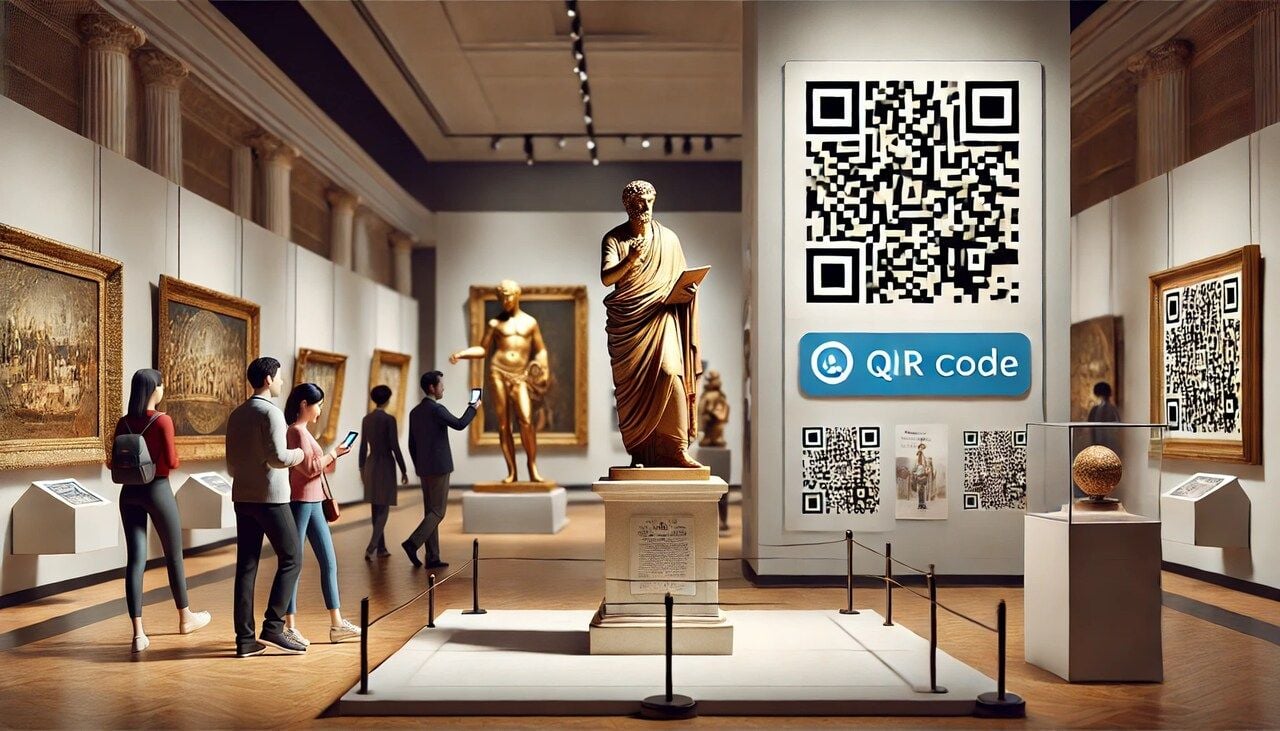
How QR Codes are Being Used in Museums and Art Exhibitions – Museums and art exhibitions are no longer limited to static displays and small information labels beside each piece. Today, visitors expect more engaging and interactive experiences. One of the most effective tools helping museums meet these expectations is the QR code. These simple black-and-white squares are transforming how people interact with art, making exhibitions more informative, accessible, and memorable.
QR codes offer a bridge between physical artwork and digital content. With a quick scan using a smartphone, visitors can unlock stories, videos, artist insights, and additional context that would otherwise be impossible to display in a limited physical space. This technology is helping museums modernize while keeping the focus on art itself.
The Growing Role of QR Codes in Modern Museums
QR codes have become increasingly common in museums around the world. Their popularity comes from their simplicity and flexibility. Visitors do not need special devices or training. Most people already carry smartphones capable of scanning QR codes, making this technology easy to adopt.
Museums use QR codes to provide deeper information about exhibits. Instead of reading a short description on a wall, visitors can scan a code and access detailed explanations. This may include the history of the artwork, the artist’s background, and the meaning behind the piece. This additional information helps visitors feel more connected to what they are seeing.
Another advantage is space efficiency. Museums often have limited wall space, especially in crowded exhibitions. QR codes allow curators to provide unlimited digital information without cluttering the physical environment. This keeps galleries clean and visually appealing while still offering rich educational content.
From an operational perspective, QR codes are also cost-effective. Printing and updating traditional materials like brochures can be expensive. With QR codes, museums can update digital content instantly without reprinting physical materials. This flexibility saves money and allows exhibitions to stay current.
Enhancing Visitor Engagement Through Interactive Experiences
One of the biggest benefits of QR codes is their ability to create interactive experiences. Visitors are no longer passive observers. Instead, they become active participants in exploring the exhibition.
Access to Multimedia Content
QR codes allow museums to offer multimedia experiences that go beyond text. Visitors can watch videos of artists explaining their work, see behind-the-scenes footage of the creation process, or listen to audio guides. These multimedia elements make the experience more engaging and easier to understand.
For example, a visitor standing in front of a painting can scan a QR code and hear the artist discuss their inspiration. This personal connection adds emotional depth to the viewing experience. It makes the artwork feel more alive and meaningful.
Audio guides delivered through QR codes are especially useful. Visitors can explore at their own pace, choosing which pieces they want to learn more about. This creates a more personalized and comfortable experience compared to traditional guided tours.
Creating Self-Guided Tours
QR codes also make self-guided tours more effective. Museums can place QR codes throughout the exhibition to guide visitors along a specific path. Each scan reveals the next part of the story, creating a structured yet flexible journey.
This approach allows visitors to explore based on their interests. Some may choose to scan every code for a complete experience, while others may focus only on certain sections. This freedom improves visitor satisfaction and encourages longer visits.
Self-guided tours are especially valuable for international visitors. QR codes can link to content in multiple languages, making exhibitions accessible to a global audience without the need for multiple printed materials.
Improving Accessibility and Inclusivity
QR codes are also helping museums become more accessible to different types of visitors. Accessibility is an important goal for cultural institutions, and QR technology supports this effort in several ways.
Visitors with visual impairments can access audio descriptions through QR codes. Instead of relying on written text, they can listen to detailed explanations of artworks. This ensures that everyone can enjoy and understand the exhibition.
Similarly, QR codes can provide translations for visitors who speak different languages. This removes language barriers and makes museums more welcoming to international audiences. Providing inclusive access helps museums reach a wider community and fulfill their educational mission.
Another benefit is flexibility for different learning styles. Some visitors prefer reading, while others learn better through audio or video. QR codes allow museums to offer multiple formats, ensuring that each visitor can engage in the way that suits them best.
Supporting Contactless and Safe Museum Experiences
The demand for contactless solutions has grown significantly in recent years. QR codes provide a safe and hygienic way for visitors to access information without touching shared devices.
Traditional audio guides often require visitors to borrow equipment. With QR codes, visitors can use their own smartphones instead. This reduces physical contact and simplifies the museum experience.
Contactless ticketing is another common use. Visitors can scan QR codes to enter exhibitions, reducing queues and improving efficiency. This makes the entire process smoother, from entry to exploration.
Museums also use QR codes to collect feedback. Visitors can scan a code at the end of an exhibition and share their thoughts. This helps museums understand what works well and what can be improved.
Supporting Digital Transformation in Cultural Institutions
QR codes are part of a larger digital transformation happening in museums. Cultural institutions are embracing technology to stay relevant in a digital world. QR codes are a simple but powerful tool that supports this transition.
They allow museums to connect physical exhibitions with online platforms. Visitors can access additional content even after leaving the museum. This extends the experience beyond the physical visit and keeps audiences engaged.
For example, a visitor may scan a QR code that leads to an online gallery. Later, they can revisit that content from home, reinforcing their connection with the exhibition. This ongoing engagement strengthens the relationship between museums and their audiences.
QR codes also help museums track visitor engagement. By analyzing scan activity, museums can understand which exhibits attract the most interest. This data helps curators design better exhibitions in the future.
Helping Artists Share Their Stories More Effectively
Artists benefit from QR codes as well. Traditional exhibition labels often provide limited space for artist statements. QR codes allow artists to share their stories in more depth.
Artists can include videos, interviews, and personal messages. This helps visitors understand the creative process and the meaning behind the artwork. When visitors understand the story, they are more likely to appreciate and remember the piece.
Emerging artists especially benefit from this technology. QR codes allow them to share their portfolios, social media profiles, or websites. This creates opportunities for greater exposure and connection with audiences.
This direct connection between artists and visitors adds value to the exhibition experience. It creates a sense of authenticity and transparency that enhances appreciation for the art.
The Future of QR Codes in Museums and Art Exhibitions
As technology continues to evolve, the use of QR codes in museums is expected to grow even further. Museums are constantly looking for ways to improve visitor experiences, and QR codes offer a flexible solution.
Future applications may include augmented reality experiences, where visitors can see digital elements layered over physical artwork. QR codes can serve as entry points to these immersive experiences.
Personalized content is another possibility. QR codes could connect with museum apps to provide customized recommendations based on visitor interests. This would create a more tailored and enjoyable visit.
Museums are also exploring ways to integrate QR codes with virtual exhibitions. This allows people who cannot visit in person to access the same content remotely. This expands the reach of museums beyond physical boundaries.
Conclusion
QR codes are transforming museums and art exhibitions in meaningful ways. They provide deeper information, improve accessibility, and create interactive experiences that engage modern audiences. By connecting physical artwork with digital content, QR codes enhance both education and enjoyment.
Museums benefit from lower costs, greater flexibility, and valuable visitor insights. Artists gain new opportunities to share their stories and connect with audiences. Visitors enjoy richer, more personalized experiences.
As museums continue to embrace digital innovation, QR codes will remain an important tool. Their simplicity, affordability, and versatility make them ideal for enhancing exhibitions. In the evolving world of art and culture, QR codes are helping museums stay relevant while preserving the timeless power of artistic expression.