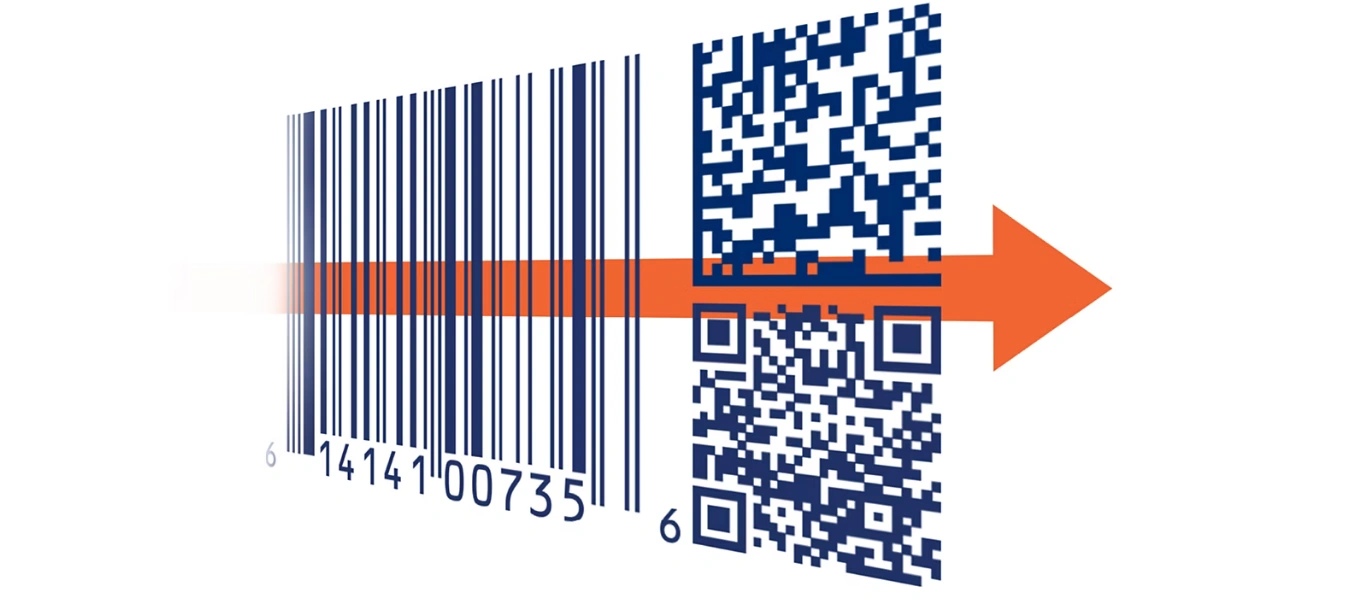
What Will Replace QR Codes in the Future?
What Will Replace QR Codes in the Future | QR codes have become a familiar part of everyday life. People use them to make payments, open websites, access menus, share contact information, download apps, and interact with advertisements.
They are convenient because almost any modern smartphone can scan them instantly.
But technology rarely stays the same forever. As smartphones, artificial intelligence, wearable devices, and computer vision continue to develop, new technologies could eventually reduce our dependence on traditional QR codes.
So, what will replace QR codes in the future?
The answer may not be a single technology. Instead, several emerging technologies could make information sharing faster and more natural.
1. NFC Could Become More Popular
Near-field communication , commonly known as NFC, is already used for contactless payments.
Unlike a QR code, NFC doesn’t require users to open their camera and point it at an image.
Instead, a compatible device can simply be brought close to an NFC tag or terminal.
This makes NFC particularly convenient for:
- Contactless payments
- Digital business cards
- Transportation systems
- Hotel room access
- Product information
- Event tickets
As more phones and wearable devices support NFC, it could replace QR codes in situations where physical proximity is more convenient than scanning.
2. Digital Business Cards May Reduce QR Code Sharing
Traditional business cards have increasingly moved into the digital world.
Instead of handing someone a card containing a QR code, future devices may allow users to exchange contact information automatically.
A smartphone, smartwatch, or other wearable could potentially detect another nearby device and securely exchange selected information.
This would eliminate the need to manually scan anything.
Users could decide exactly what information to share, such as a name, phone number, email address, or professional profile.
3. AI-Powered Computer Vision Could Make Scanning Invisible
Artificial intelligence and computer vision may eventually make QR-style interactions almost invisible.
Instead of deliberately scanning a code, a camera could recognize an object, location, product, or sign and automatically provide relevant information.
Imagine walking into a store and pointing your phone toward a product.
Rather than finding a QR code on the packaging, the camera could recognize the product itself and display:
- Product information
- Price
- Reviews
- Instructions
- Available colors
- Purchase options
In this scenario, the physical QR code becomes unnecessary.
4. Augmented Reality Could Change How We Access Information
Augmented reality could offer another alternative.
Instead of scanning a code, users could look at an object through smart glasses or a smartphone camera and see digital information directly overlaid on their surroundings.
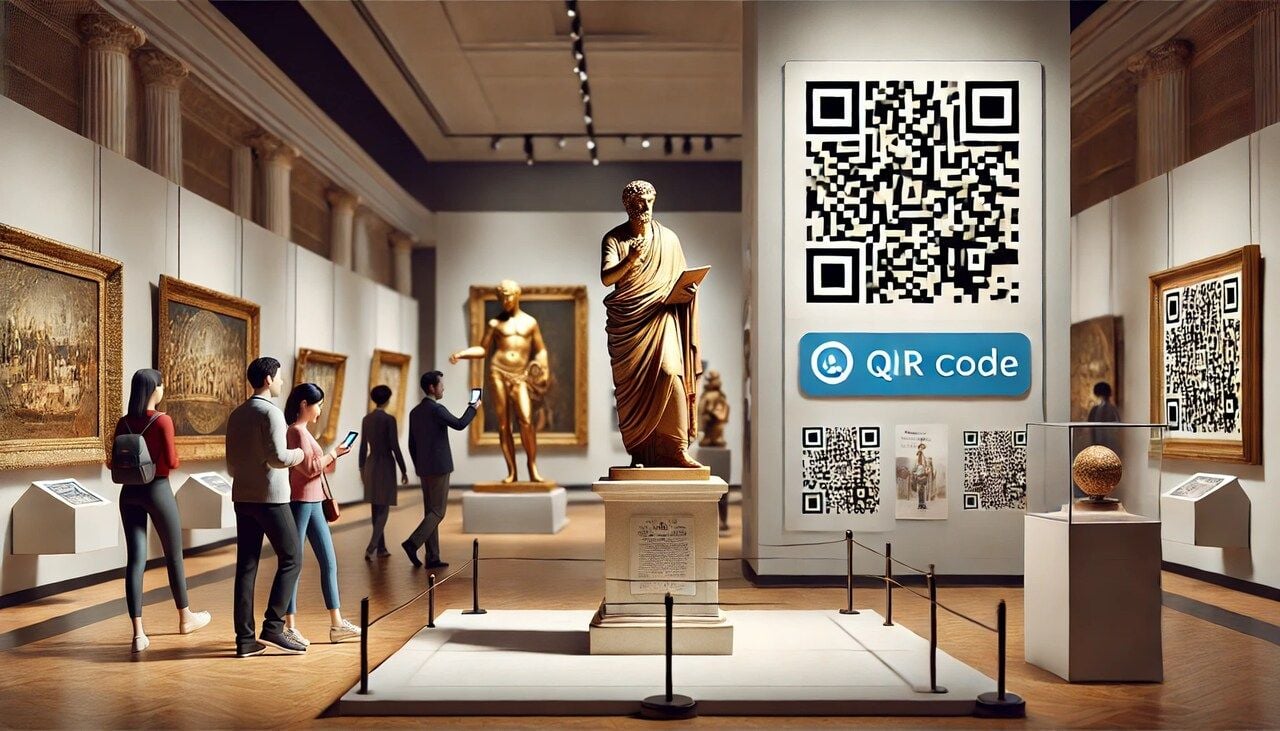
For example, looking at a museum exhibit could automatically display its history.
Looking at a restaurant could show its menu.
Looking at a product could reveal its specifications.
The interaction becomes more natural because users interact with the physical world rather than searching for a small square code.
5. Voice Commands Could Replace Some QR Code Uses
Voice assistants are another potential alternative.
For simple actions, users may eventually prefer saying what they want rather than scanning something.
For example:
“Show me the menu.”
or
“Open the payment page.”
Artificial intelligence can understand natural language and determine what action the user wants.
This could be particularly useful for accessibility because voice-based interaction doesn’t require users to position a camera accurately.
6. Wearable Devices Could Make Physical Scanning Less Important
Smartwatches, smart glasses, and other wearable devices are becoming increasingly capable.
A future smartwatch could potentially detect nearby payment terminals, tickets, doors, or products and interact with them automatically.
Smart glasses could go even further by recognizing objects in real time.
Instead of pulling out a smartphone and scanning a code, users might simply approach an object and receive relevant information through their wearable device.
7. Bluetooth and Proximity Technology May Become More Useful
Bluetooth-based proximity technologies can identify nearby devices or locations without requiring a visual code.
For example, a store could detect when a customer enters a particular area and provide relevant information through an app.
Similarly, museums, airports, hotels, and stadiums could use proximity technology to provide location-specific information.
The advantage is that users don’t necessarily have to search for a code.
The system can respond based on where they are.
8. Biometrics Could Change Payments
QR codes are widely used for digital payments, but payment technology is moving toward increasingly seamless experiences.
Biometric authentication—such as fingerprints, facial recognition, or other secure identity systems—could reduce the need to scan anything during certain transactions.
Instead of scanning a QR code, a user could authenticate their identity and complete a transaction through a secure device or payment terminal.
Security and privacy will remain critical, however. Convenience cannot come at the expense of protecting personal and financial information.
9. Product Identification Could Become Automatic
Another potential QR code replacement is automated product recognition.
Future cameras and AI systems could identify products based on their shape, packaging, labels, or other visual characteristics.
This could be particularly useful in retail and logistics.
A customer might point a phone at a product and immediately see information without needing to locate a printed QR code.
Businesses could also use computer vision to track inventory and identify products more efficiently.
10. QR Codes May Not Actually Disappear
Despite all these emerging technologies, QR codes are unlikely to disappear completely anytime soon.
One reason is simplicity.
QR codes are inexpensive to produce, easy to print, don’t require batteries, and work with billions of existing smartphones.
They also don’t require sophisticated infrastructure.
For many businesses, that makes QR codes extremely practical.
Instead of being completely replaced, QR codes may simply become one option among many.
What Will the Future of QR Codes Look Like?
The future may involve a combination of technologies rather than one universal replacement.
A customer might use NFC for payments, AI-powered vision for product information, voice commands for searches, and augmented reality for interactive experiences.
The biggest change may therefore be the disappearance of the need to deliberately scan something.
Technology is gradually moving toward interfaces that understand context.
Instead of asking users to find a code, open an app, and point a camera at it, future systems may recognize what users are looking at, where they are, and what they are trying to accomplish.
So, what will replace QR codes in the future?
NFC, artificial intelligence, computer vision, augmented reality, wearable devices, voice assistants, proximity technology, and biometrics could all replace QR codes in specific situations.
But QR codes have one major advantage: they’re incredibly simple.
That means the future probably won’t be about completely eliminating QR codes. Instead, QR codes may gradually become less visible as newer technologies provide faster and more natural ways to connect the physical and digital worlds.
The ultimate replacement for QR codes may not be another code at all.
It could be technology that doesn’t require us to scan anything in the first place.
What Is Quishing? Understanding the New QR Code Scam
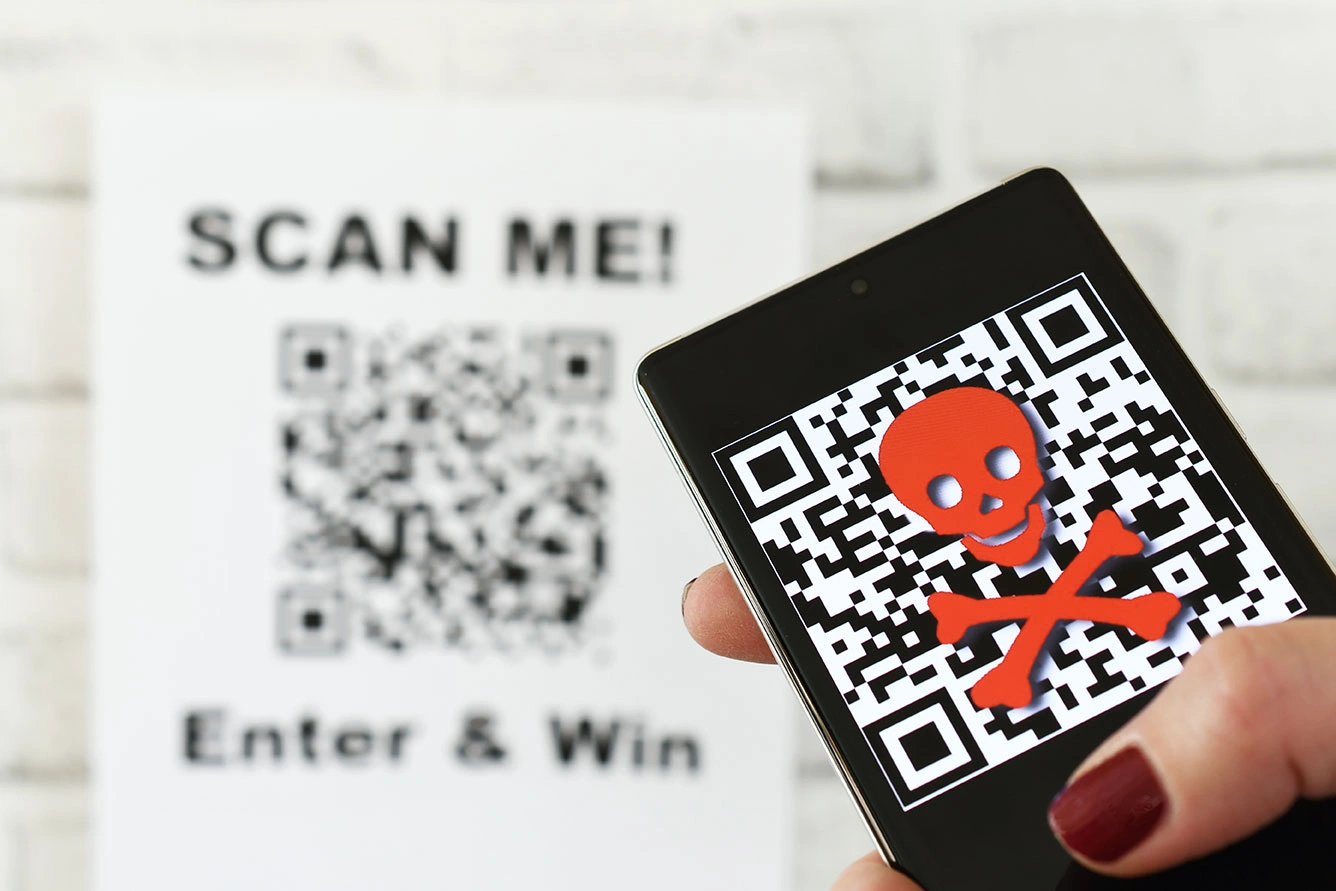
What Is Quishing? Understanding the New QR Code Scam | Imagine this scenario: you are in a rush to park your car in a crowded downtown area. Near the payment machine, a QR code is prominently displayed with clear instructions to scan for faster payment. Without any suspicion, you point your phone’s camera, tap the link that appears, and input your credit card details. A few hours later, your phone buzzes with mysterious transaction alerts draining your bank account.
The situation described above is no longer just a sci-fi storyline, but a harsh reality of an increasingly rampant cybercrime method. This phenomenon is known as quishing, a blend of the words QR code and phishing. This fraudulent technique exploits high public trust in the convenience of these little black-and-white squares to steal personal data, financial information, or inject malicious software (malware) directly into your phone’s operating system.
The success of this tactic lies deep within human psychology, which naturally prioritizes speed and convenience. Ever since this technology was mass-adopted for digital restaurant menus, contactless payments, and e-tickets, user vigilance has significantly dropped. Consequently, a small illicit sticker slapped on by a criminal is often all it takes to deceive hundreds of unsuspecting people in a single day.
How QR Code Tampering Happens in Public Spaces
These illegal operations are executed in a highly tactical and often seamless manner. Cybercriminals do not need to hack into complex banking systems to steal your money; they simply exploit the weak spot in physical interactions between humans and technology.
One of the most common methods is replacing physical codes in public facilities. Scammers print fraudulent QR code stickers that look almost identical to the legitimate ones, then paste them directly over the official codes. High-risk locations frequently targeted for these operations include:
-
Restaurant Tables: Swapping digital menu codes to redirect customers to fraudulent payment gateways.
-
Parking Meters: Tricking drivers who want to pay their parking fees quickly.
-
Public Charging Stations: Trapping users looking for quick internet access or complimentary charging services.
Beyond physical tampering, this scam has also expanded into the digital realm via automated text messages (SMS phishing) or emails. You might suddenly receive a message claiming to be from a major shipping company, stating that a package could not be delivered due to an outstanding customs fee. Inside the message, instead of a standard text hyperlink, they embed a QR code image under the guise of system security. In reality, this is just a trick to bypass your email client’s spam filters, which often fail to scan malicious links hidden within images.
Smart Steps to Verify the Legitimacy of a QR Code
Avoiding this digital trap does not mean you have to stop using scanning technology altogether. The key lies in sharpening your awareness and developing a habit of verifying information before taking action. There are several visual and procedural indicators you can use to filter out safe codes from those that potentially collaborate with cybercriminals.
Check for Physical Modifications on Printed Media
Before activating your smartphone camera, take two seconds to look at and feel the surface of the sign or pamphlet displaying the code. If you feel a raised double layer, notice crooked edges, or detect peeling marks around the square, abort your plan to scan it. Legitimate businesses and vendors always print QR codes directly onto the acrylic boards or posters, rather than haphazardly sticking them onto finished materials.
Utilize the Link Preview Feature
Every modern smartphone, whether running on Android or iOS, features a native security system that displays a preview of the website address (URL) right after the camera reads the code. Do not instantly tap or allow the browser window to open automatically if your phone has auto-navigation enabled. Turn off the auto-open feature in your scanner settings so you always have a moment to inspect the URL structure first.
Detect Anomalies in the URL Structure
Cybercriminals frequently register web domains that look incredibly similar to legitimate brands to deceive untrained eyes. This technique is known as typosquatting. Pay close attention to the structural differences below:
-
Official URL:
companyname.com -
Fraudulent URL:
login-update.comorcompany-name-security.net
If the primary domain consists of random words, uses unusual number combinations, or contains overly long and confusing subdomains, it is a definitive red flag that you are being funneled into a digital trap.
Recognize Forced and Urgent Communication Patterns
Social engineering tactics always rely on creating a sense of panic or extreme urgency. Fraudulent messages are usually accompanied by threats such as “Your account will be frozen within 2 hours” or “Late fees will double if you don’t scan now”. Genuine government agencies, banks, and professional service providers will never suddenly use a QR code to force you into making critical financial decisions.
Proactive Strategies to Protect Yourself from Cyber Threats
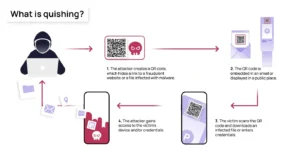
Awareness alone is insufficient if it is not backed by consistent preventive actions in your daily digital routine. To ensure your sensitive data and digital wallets remain optimally protected, implement the following self-security protocols:
Prioritize Access Through Official Apps
When paying monthly utility bills, parking fees, or ordering food at major franchise outlets, avoid relying on printed QR codes displayed in open public spaces. A much safer alternative is to open the official service provider’s app already installed on your phone, or manually type their official website address into your browser’s search bar. Bypassing third-party physical elements completely cuts down the risk of intervention.
Stay Skeptical of Unsolicited Codes
Never scan a code that comes from an ambiguous or unknown source. Unmarked letters in your physical mailbox promising a free vacation, mysterious prize flyers inside online shopping packages that don’t list the sender, or WhatsApp messages from random foreign numbers must be completely ignored. Turning a blind eye to these messages is the most effective way to break the chain of a cyberattack before it even starts.
Exit Immediately If Prompted for Credentials
A basic QR code meant for a food menu or tourist information should only display text, images, or informative documents. If, after scanning, your phone screen loads a form requesting your username, password, PIN, or debit card details, close that browser tab immediately. Do not fill out any fields, even if the page looks identical to your banking or social media login page.
Fortify Your Device’s Defenses
Layered security is your best bet to minimize damage in case you accidentally make a wrong scan. Ensure Multi-Factor Authentication (MFA or 2FA) is active across all your vital accounts, such as your primary email, banking applications, and digital wallets. With this feature active, even if a scammer manages to harvest your password through an imitation site, they still won’t be able to log in without the secondary verification code sent directly to your phone or authenticator app. Additionally, keep your phone’s operating system updated to patch software vulnerabilities that could be exploited by malicious scripts.
Striking a Balance Between Convenience and Security
Technology is fundamentally created as a tool to simplify civilization, not to become a new source of fear. The presence of these two-dimensional matrix barcodes has contributed massively to accelerating micro-economies and eliminating tedious physical transaction bureaucracies.
Nevertheless, every technological leap is inevitably accompanied by loopholes used by irresponsible parties seeking illegal profits. Being a tech-savvy user does not mean becoming paranoid and rejecting innovation; rather, it means becoming a wise, critical, and careful individual when interacting with the digital ecosystem.
By building the habit of checking the physical condition of codes, inspecting link previews closely, and applying layered authentication to personal devices, you can continue to enjoy the convenience of scanning technology with complete peace of mind. Protect your data proactively, because your personal cyberspace security begins right at your fingertips before tapping that screen.
How QR Codes are Being Used in Museums and Art Exhibitions

The Hidden Benefits of QR Codes for Small Businesses
The Hidden Benefits of QR Codes for Small Businesses – In today’s fast-moving digital world, small businesses are constantly looking for simple ways to stand out. While many focus on social media ads or complex marketing funnels, one powerful tool is often overlooked: QR codes. Once seen as a passing trend, QR codes are now a practical and cost-effective marketing asset for small brands that want to connect offline and online effortlessly.
From local cafés to home service providers, QR codes are helping businesses improve customer engagement, increase sales, and streamline operations without large budgets. With smartphones becoming an essential part of daily life, QR codes create a direct bridge between printed materials and digital experiences.
In this article, we’ll explore the hidden benefits of QR codes for small businesses and why they deserve a place in your marketing strategy.
Why QR Codes Are More Relevant Than Ever
QR codes gained mainstream attention during the pandemic when contactless interactions became essential. Platforms like PayPal, Shopify, and Instagram began integrating QR functionality into their systems. As a result, consumers became more comfortable scanning codes for payments, menus, promotions, and product information.
Today, most smartphone cameras automatically recognize QR codes without requiring third-party apps. This convenience has removed previous barriers and made QR codes accessible to almost everyone.
For small businesses, this shift represents a major opportunity. Instead of investing heavily in custom apps or expensive advertising campaigns, business owners can leverage QR codes as a low-cost digital gateway.
Connecting Offline Marketing to Online Growth
One of the hidden strengths of QR codes is their ability to connect physical marketing materials to digital platforms instantly.
Imagine placing a QR code on:
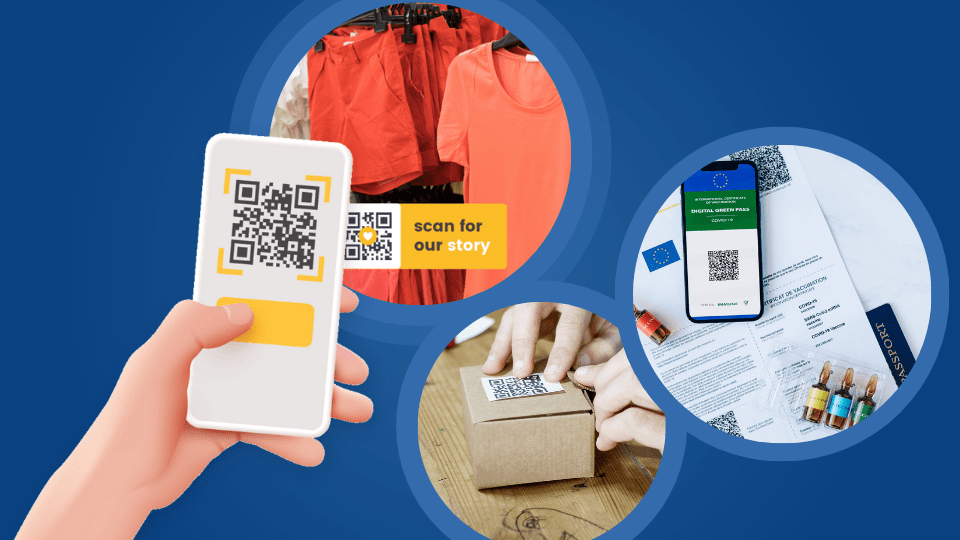
Business cards
Flyers
Product packaging
Storefront windows
Event banners
When customers scan the code, they can be directed to your website, booking page, special discount, or social media profile. This transforms traditional print marketing into an interactive experience.
For example, a local boutique could link its QR code directly to its online store hosted on Shopify. A restaurant might connect customers to its reservation system or delivery page. A consultant could send potential clients to a scheduling form or portfolio.
This seamless transition from offline to online reduces friction and increases the likelihood of conversion.
Boosting Local SEO and Online Visibility
Small businesses often rely heavily on local customers. QR codes can support local SEO efforts by directing customers to leave reviews or engage with business listings.
A QR code printed on a receipt could lead directly to a Google review page. More reviews mean stronger local search visibility. Similarly, linking QR codes to your Instagram or Facebook profiles encourages followers, shares, and user-generated content.
Over time, these signals strengthen your online presence, making it easier for new customers to discover your business through search engines.
Enhancing Customer Experience Without Extra Costs
Customer experience plays a critical role in small business success. QR codes allow you to enhance that experience without increasing operational complexity.
For example, instead of printing lengthy instruction manuals, a small electronics seller can include a QR code that links to a short tutorial video. A fitness coach can place QR codes on posters that lead to free workout guides or sign-up forms.
This approach reduces printing costs while delivering richer content. It also makes your brand appear modern and responsive.
Contactless Payments and Faster Transactions
Another major advantage is the ability to accept digital payments easily. Payment systems integrated with QR codes, including those from PayPal, allow small businesses to receive payments quickly and securely.
For small vendors at markets or pop-up events, QR payments eliminate the need for bulky card machines. Customers simply scan, pay, and go. Faster transactions improve efficiency and reduce waiting times, which directly impacts customer satisfaction.
In many cases, adopting QR payment systems is cheaper than traditional point-of-sale equipment, making it an attractive solution for startups.
Driving Promotions and Limited-Time Offers
QR codes are excellent tools for marketing campaigns. Because they can be updated dynamically, businesses can change the destination link without reprinting the code.
This flexibility allows you to run limited-time promotions, seasonal discounts, or exclusive content campaigns. A QR code printed months ago can still remain relevant by redirecting users to updated offers.
For example, a bakery could use one QR code on packaging throughout the year. During holidays, it might direct customers to festive promotions. During slower months, it could promote loyalty programs or bundle deals.
This adaptability makes QR codes a long-term marketing asset rather than a one-time tactic.
Collecting Valuable Customer Data
Understanding customer behavior is essential for growth. Many QR code generators provide analytics that track how often codes are scanned, when they are scanned, and sometimes even where.
This data helps small businesses refine their strategies. If a code on a storefront window receives many scans in the evening, it might indicate strong after-hours interest. If a flyer QR code performs poorly, it may suggest the need for better placement or messaging.
When integrated with platforms like Google Analytics, QR traffic can be monitored alongside website performance metrics. This gives business owners deeper insight into customer journeys and marketing ROI.
Strengthening Brand Image and Trust
Using QR codes strategically can also elevate brand perception. A well-designed code that leads to helpful content demonstrates professionalism and convenience.
For example, linking to customer testimonials, certifications, or behind-the-scenes videos can build trust. Transparency is especially important for small businesses competing with larger brands.
When customers see that a business embraces practical digital tools, it signals innovation and reliability. This can influence purchasing decisions more than many realize.
Supporting Sustainability Efforts
Sustainability is becoming increasingly important to consumers. QR codes can reduce the need for printed brochures, catalogs, and menus. Instead of distributing stacks of paper, businesses can provide a single QR code that gives access to constantly updated digital information.
This not only cuts costs but also supports eco-friendly practices. Promoting this effort can further enhance brand reputation, especially among environmentally conscious customers.
Simple Implementation With High Impact
One of the most appealing aspects of QR codes is how easy they are to implement. Generating a code takes only minutes, and printing it requires minimal design adjustments.
Even small businesses with limited technical knowledge can create and manage QR campaigns. The return on investment can be significant compared to traditional advertising methods that require ongoing budgets.
Consistency is key. Place QR codes where they naturally fit into the customer journey. Avoid clutter, and clearly explain what customers will gain by scanning.
Final Thoughts
QR codes may appear simple, but their hidden benefits for small businesses are substantial. They connect offline and online marketing, enhance customer experience, reduce costs, and provide valuable insights into customer behavior.
In a competitive market, small improvements can lead to meaningful growth. QR codes offer a practical, affordable way to modernize your business without overwhelming complexity.
How QR Codes Are Used in Daily Digital Life
How QR Codes Are Used in Daily Digital Life – QR codes have quietly become a part of everyday digital life. What once looked like a strange black-and-white square is now something people scan without thinking twice. From buying coffee to logging into apps, QR codes are everywhere. Their simplicity and speed make them one of the most practical digital tools used today.
As smartphones became more powerful and internet access more stable, QR codes evolved from a niche technology into a daily necessity. They bridge the gap between the physical and digital world in a way that feels natural and effortless.
The Rise of QR Codes in Modern Society
QR codes were originally created to track automotive parts, but their purpose has expanded far beyond that. Today, almost everyone with a smartphone has scanned a QR code at least once. The real turning point came when mobile devices started supporting QR scanning directly from the camera app, removing the need for extra software.
Another major factor behind their popularity is convenience. QR codes eliminate the need to type long URLs, search manually, or install unnecessary apps. With one quick scan, users are instantly connected to information, services, or digital actions.
QR Codes in Everyday Payments
One of the most common uses of QR codes in daily digital life is digital payment. In many countries, QR-based payments have become an alternative to cash and cards. Small businesses, street vendors, and large retailers all use the same system, making transactions simple and fast.
Contactless and Cashless Transactions
QR code payments are especially popular because they are contactless. Users simply scan a code, confirm the amount, and complete the payment within seconds. This method reduces physical contact, speeds up checkout time, and minimizes human error.
For businesses, QR codes lower operational costs. There is no need for expensive payment terminals. A printed code or digital display is enough to accept payments, making this solution accessible even for small sellers.
QR Codes in Marketing and Advertising
Marketing is another area where QR codes play a major role. Brands use them to connect offline promotions with online experiences. Posters, flyers, product packaging, and even billboards often include QR codes that lead users to websites, landing pages, or social media profiles.
Bridging Offline and Online Experiences
QR codes allow businesses to track engagement more effectively. By scanning a code, users can access exclusive content, promotional offers, or additional product information. This makes advertising more interactive and measurable.
For example, a restaurant menu with a QR code can link to customer reviews, promotional deals, or an online reservation page. This seamless connection improves user experience and increases conversion potential.
QR Codes in Restaurants and Cafes
The food and beverage industry has widely adopted QR codes, especially in recent years. Digital menus are now common in cafes, restaurants, and food courts.
Customers scan a QR code on the table to view the menu, place orders, or even make payments. This system reduces printing costs, allows instant menu updates, and improves service efficiency.
From a customer perspective, QR menus feel modern and practical. They also support multiple languages, helping international visitors understand menu items without confusion.
QR Codes for Authentication and Security
Beyond convenience, QR codes also play a role in digital security. Many platforms use QR codes for login verification and account authentication.
Faster and Safer Login Methods
Instead of typing usernames and passwords, users can scan a QR code displayed on a screen using their mobile app. This method reduces the risk of keylogging and phishing attacks while saving time.
QR-based authentication is commonly used in messaging apps, banking platforms, and cloud services. It combines speed with an added layer of security, making it attractive for both users and service providers.
QR Codes in Events and Ticketing
Events, concerts, and conferences rely heavily on QR codes for ticketing and access control. Digital tickets with QR codes replace traditional paper tickets and reduce fraud.
When attendees arrive, staff simply scan the code to verify entry. This system speeds up check-in, improves crowd management, and allows organizers to track attendance in real time.
QR codes are also used for event information, schedules, and feedback forms, creating a fully digital event experience.
QR Codes in Education and Learning
Education has also embraced QR codes as a practical learning tool. Teachers use them to share digital resources, assignments, and additional reading materials.
Students can scan a QR code to access videos, documents, or quizzes instantly. This method supports blended learning and makes educational content more engaging.
In libraries, QR codes link physical books to digital summaries, author profiles, or related materials, enriching the learning process without extra effort.
QR Codes in Daily Information Access
QR codes are often used simply to share information quickly. From Wi-Fi access to contact details, they make everyday tasks easier.
Scanning a QR code to connect to a Wi-Fi network eliminates the need to type complex passwords. Business cards with QR codes allow instant saving of contact information to a smartphone.
These small uses may seem simple, but they significantly improve daily digital interactions by saving time and reducing friction.
Why QR Codes Continue to Grow
The continued growth of QR codes comes down to flexibility. They can be used across industries, platforms, and devices without compatibility issues. As long as a user has a camera and internet access, QR codes work.
They are also easy to create, modify, and track. Businesses can update linked content without changing the physical code, making them a long-term digital solution.
With the rise of smart cities, digital payments, and mobile-first experiences, QR codes are likely to remain relevant for years to come.
The Future of QR Codes in Digital Life
Looking ahead, QR codes will likely become even more integrated into daily routines. As augmented reality, digital identity systems, and smart devices continue to evolve, QR codes may serve as simple entry points into more advanced digital experiences.
Rather than being replaced, QR codes adapt. Their strength lies in their simplicity. In a fast-paced digital world, tools that save time and reduce effort will always have value.
Conclusion
QR codes are no longer just a trend. They are a practical digital tool that supports everyday activities, from payments and marketing to education and security. Their ability to connect the physical and digital world makes them essential in modern life.
As technology continues to move forward, QR codes remain relevant because they solve real problems in a simple way. This is why they have become a natural part of daily digital life and why their use will continue to grow across industries and communities.

QR Code Technology and Its Everyday Uses
QR Code Technology and Its Everyday Uses – QR Code technology has quietly become a part of everyday life. From paying for coffee to opening restaurant menus, QR codes are now everywhere. What started as a simple tracking tool has evolved into a fast, flexible, and highly practical digital solution used across many industries.
People often use QR codes without thinking much about the technology behind them. However, their growing popularity is not accidental. QR codes offer speed, convenience, and a seamless connection between the physical and digital worlds. In today’s mobile-first era, that connection matters more than ever.
This article explores how QR Code technology works and how it is used in everyday situations, from business and marketing to personal use.
What Is QR Code Technology?
A QR code, short for Quick Response code, is a two-dimensional barcode that stores information in a square grid pattern. Unlike traditional barcodes, QR codes can store much more data and can be scanned from almost any angle.
QR codes were first developed in the 1990s for industrial tracking, but their real breakthrough came with the rise of smartphones. Today, nearly every smartphone camera can scan a QR code instantly, without the need for additional apps.
This simplicity is one of the biggest reasons QR codes are so widely adopted.
How QR Codes Work in Simple Terms
When a QR code is scanned, the camera reads the pattern of black and white squares and converts it into readable data. That data can be a website link, contact details, payment information, or even plain text.
Once scanned, users are usually taken directly to the intended destination, such as a webpage or digital form. This instant access eliminates the need for typing URLs or searching manually, making the experience faster and more user-friendly.
Why QR Codes Are So Popular Today
QR codes fit perfectly into modern digital behavior. People want quick access, minimal effort, and instant results. QR codes deliver all three.
Another reason for their popularity is flexibility. QR codes can be printed on almost anything, including packaging, posters, business cards, and screens. They can also be updated dynamically when linked to editable content, making them a powerful long-term tool.
In addition, QR codes are cost-effective. Creating them is inexpensive, and distribution does not require advanced technology or infrastructure.
Everyday Uses of QR Code Technology
QR codes are no longer limited to niche applications. They are now used daily by millions of people around the world.
QR Codes in Payments and Transactions
One of the most common uses of QR codes is digital payment. Many cafes, shops, and street vendors accept QR-based payments because they are fast and secure.
Customers simply scan a code, confirm the payment, and the transaction is completed within seconds. This method reduces physical contact, speeds up checkout, and minimizes the need for cash or cards.
In many countries, QR payments have become a standard option for both small and large businesses.
QR Codes in Restaurants and Menus
Restaurants widely use QR codes for digital menus. Instead of printed menus, customers scan a QR code placed on the table and instantly view the menu on their phone.
This approach is not only hygienic but also practical. Restaurants can update prices, add new items, or remove sold-out dishes without reprinting menus. Customers also enjoy browsing menus at their own pace.
Some restaurants even allow ordering and payment directly through QR codes, creating a smoother dining experience.
QR Codes in Marketing and Advertising
Marketers love QR codes because they bridge offline and online marketing. A QR code on a poster, flyer, or product packaging can lead users directly to a landing page, promotion, or video.
This makes it easier to track engagement and measure campaign performance. Businesses can see how many people scanned the code and what actions they took afterward.
QR codes also encourage interaction. Instead of passively viewing an ad, users actively engage by scanning and exploring further content.
QR Codes for Business Cards and Networking
Traditional business cards are evolving. Many professionals now include QR codes on their cards that link to digital profiles, websites, or contact details.
With one scan, contacts can save phone numbers, email addresses, and social media links instantly. This reduces the risk of losing information and creates a more modern networking experience.
QR codes also allow professionals to update their online information without reprinting cards.
QR Codes in Education and Learning
Educational institutions use QR codes to share learning materials, assignments, and additional resources. Teachers can place QR codes in classrooms or textbooks to link students to videos, articles, or quizzes.
This method supports blended learning and makes information more accessible. Students can scan and learn anytime, anywhere, using their own devices.
QR codes also help streamline administrative processes such as attendance tracking and exam registration.
QR Codes for Personal and Daily Use
Beyond business and education, QR codes are useful in personal life as well.
People use QR codes to share Wi-Fi passwords, social media profiles, or event invitations. Instead of explaining details manually, one scan does the job.
QR codes are also popular for digital resumes, online portfolios, and even wedding invitations. Their versatility makes them suitable for almost any situation where quick information sharing is needed.
Security and Trust in QR Code Usage
While QR codes are convenient, users should remain cautious. Scanning unknown or suspicious codes can sometimes lead to unsafe websites.
To stay safe, it is important to scan QR codes from trusted sources and check the destination link before proceeding. Most smartphones now show a preview of the link, allowing users to verify it first.
Businesses can build trust by clearly explaining what their QR codes are for and ensuring the linked content is secure.
The Future of QR Code Technology
QR Code technology continues to evolve. As mobile usage grows, QR codes are likely to become even more integrated into daily life.
Future developments may include deeper integration with augmented reality, smart devices, and personalized user experiences. QR codes may also play a larger role in authentication, digital identity, and secure access systems.
What makes QR codes truly powerful is their simplicity. They do not rely on complex hardware or advanced skills, yet they deliver strong results across many use cases.
Final Thoughts on QR Code Technology
QR codes have transformed the way people access information and interact with the digital world. Their everyday uses range from payments and menus to marketing and personal sharing.
For businesses, QR codes offer a practical and cost-effective solution to engage customers. For individuals, they provide convenience and speed in daily activities.
As technology continues to move toward seamless digital experiences, QR Code technology remains a reliable and adaptable tool that fits naturally into modern life.
How QR Codes Are Changing Digital Interaction
How QR Codes Are Changing Digital Interaction – In the fast-paced world of digital technology, QR codes have quietly but profoundly transformed the way we interact with information and services. Once a niche tool mostly seen in industrial settings, QR codes are now everywhere—from restaurants and retail stores to marketing campaigns and public services. Their ability to bridge the physical and digital worlds makes them an essential part of modern interaction.
The Rise of QR Codes in Everyday Life
QR codes, short for Quick Response codes, were initially developed in the 1990s for tracking automotive parts. However, their adoption has grown exponentially in the past decade. Smartphones equipped with cameras and QR readers made it possible for anyone to scan a code and instantly access digital content, creating a seamless bridge between offline and online experiences.
Today, QR codes are not just for convenience—they are a key driver in digital transformation. Businesses and consumers alike are finding new ways to leverage these codes to streamline processes, engage audiences, and even reduce physical contact in an increasingly digital-first world.
From Curiosity to Necessity
At first, QR codes were seen as a novelty. People would scan them occasionally to get a discount or a quick piece of information. But events like the global pandemic accelerated their usage. Contactless solutions became more than a convenience—they became a necessity. Restaurants replaced menus with QR codes, governments used them for health tracking and vaccination verification, and retail stores implemented them for contactless payments.
This rapid adoption has made QR codes an everyday tool that most people now recognize instantly. Their simplicity and universality are key reasons why they have moved from curiosity to necessity in digital interactions.
Enhancing Consumer Engagement
One of the most significant ways QR codes are changing digital interaction is through enhanced consumer engagement. Businesses now use QR codes to provide richer, more interactive experiences than traditional methods ever allowed.
Connecting Offline and Online Worlds
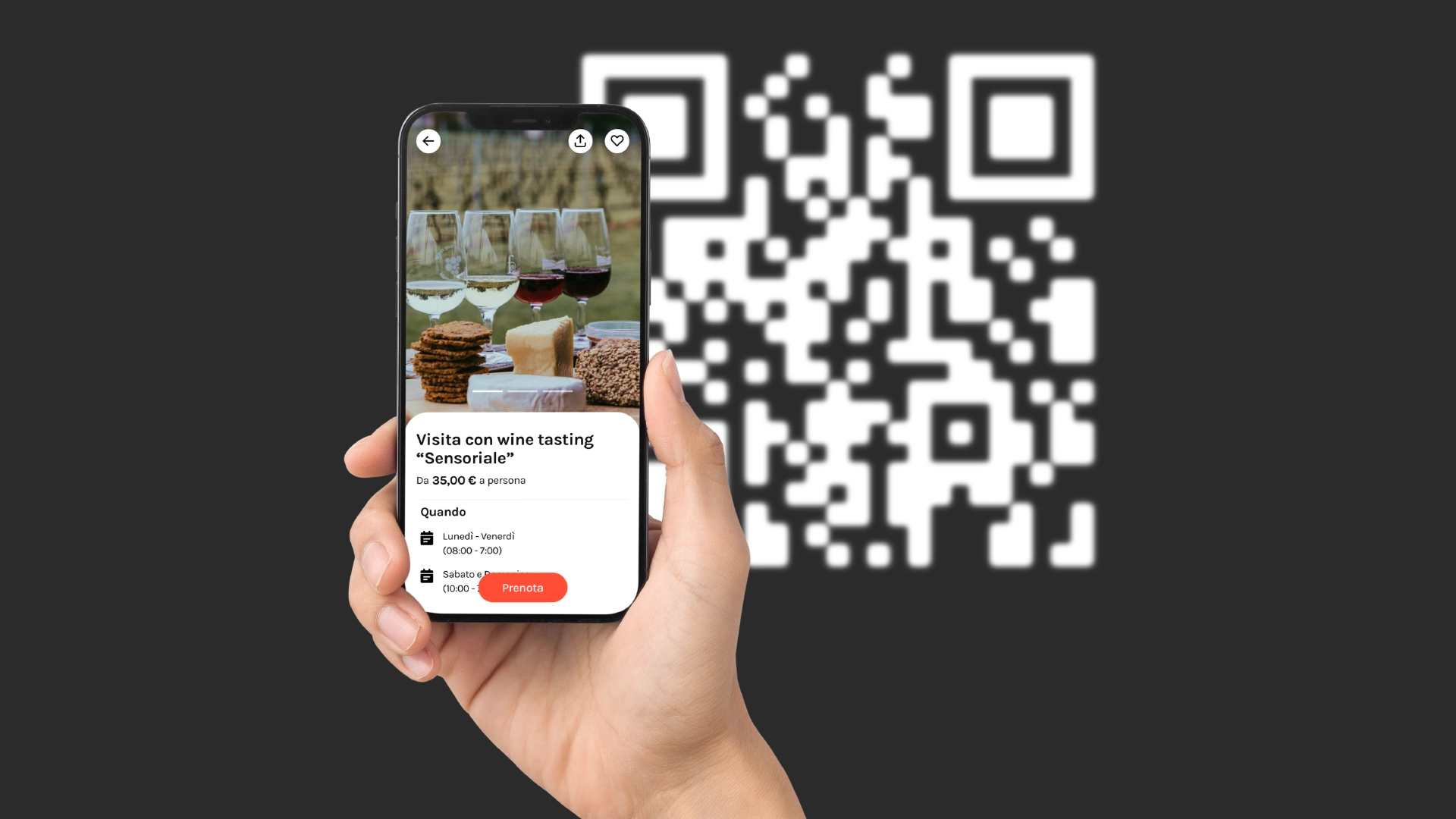
QR codes act as a bridge between physical spaces and digital content. For example, a poster at a concert can link directly to an artist’s playlist, or a museum exhibit can provide a video tour via a simple scan. This connection creates a more immersive experience for users, turning static objects into gateways for interactive content.
For marketers, this is a game-changer. QR codes enable brands to track engagement, measure click-through rates, and analyze consumer behavior in ways that were previously difficult. By providing instant access to online resources, businesses can turn casual curiosity into meaningful interactions.
Personalized Experiences
Another exciting development is the ability to create personalized experiences through QR codes. By linking codes to unique URLs or dynamic content, businesses can tailor what a user sees based on location, time, or even previous interactions. For instance, a clothing store might offer a special promotion for first-time visitors, while returning customers see content tailored to their preferences.
This level of personalization not only improves the user experience but also increases conversion rates. Consumers are more likely to engage with content that feels relevant and directly addressed to them.
Revolutionizing Payment and Transactions
Perhaps the most visible impact of QR codes is in the realm of payments and financial transactions. Mobile payment systems that rely on QR codes have grown tremendously, particularly in regions where traditional banking infrastructure is limited.
Simplifying Payments
QR codes allow users to make payments quickly and securely without needing physical cash or cards. The process is simple: scan, confirm, and pay. This ease of use has made QR code payments a preferred choice for many consumers and businesses alike.
In addition to convenience, QR code payments reduce the risk of errors or fraud associated with handling cash. They also facilitate faster transactions, which is particularly beneficial in busy retail environments, food services, and public transportation systems.
Expanding Financial Inclusion
Beyond convenience, QR codes play a role in expanding financial inclusion. In countries where banking systems are underdeveloped, mobile wallets and QR code-based payments give people access to financial services without requiring a traditional bank account. This innovation has the potential to empower millions, making digital transactions more accessible and practical.
QR Codes in Marketing and Brand Strategies
QR codes are no longer just a utility—they are a strategic marketing tool. Brands are using them creatively to engage audiences, drive traffic, and build loyalty.
Interactive Campaigns
Modern marketing campaigns increasingly rely on interactivity, and QR codes make this possible. For example, a retail brand might include a QR code on packaging that unlocks a game, a contest entry, or a behind-the-scenes video. By encouraging users to scan and interact, companies create memorable experiences that strengthen brand connection.
Measuring Success
Unlike traditional printed materials, QR codes offer measurable results. Marketers can track which codes are scanned, when and where they were accessed, and how users interacted with the linked content. This data provides actionable insights, allowing brands to refine strategies, optimize campaigns, and improve ROI.
The Future of QR Codes
As digital interaction continues to evolve, QR codes are likely to play an even bigger role. Advancements in augmented reality (AR), artificial intelligence (AI), and dynamic content delivery are poised to make QR codes smarter, more interactive, and increasingly integrated into daily life.
Beyond Scanning
Future QR codes may not require traditional scanning at all. Imagine codes that automatically detect a device when nearby or that adapt their content based on environmental factors. Such developments could further blur the line between physical and digital experiences, creating interactions that feel intuitive and natural.
Sustainability and QR Codes
Another promising aspect is sustainability. By replacing paper menus, printed coupons, and flyers with digital alternatives accessed through QR codes, businesses can reduce waste and lower their environmental footprint. This aligns with the growing consumer demand for eco-friendly practices, making QR codes not just convenient but responsible.
Conclusion
QR codes have come a long way from their industrial beginnings. Today, they are reshaping digital interaction by connecting offline and online worlds, enhancing engagement, simplifying transactions, and empowering marketing strategies. Their impact is evident across industries, from retail and finance to entertainment and public services.
As technology continues to advance, QR codes will only become more integral to our daily lives. They provide a simple yet powerful tool to bridge physical and digital experiences, making interactions faster, more engaging, and more meaningful. In a world where convenience and connectivity matter more than ever, QR codes have firmly established themselves as a cornerstone of modern digital interaction.

Create Dynamic QR Code Designs for Business Marketing Today
Introduction to Dynamic QR Codes in Business Marketing
Create Dynamic QR Code Designs for Business Marketing Today – In today’s fast-paced digital environment, businesses are constantly seeking innovative ways to engage with customers. One of the most powerful tools emerging in the marketing world is the dynamic QR code. Unlike traditional static QR codes, dynamic ones offer unparalleled flexibility, allowing businesses to modify the content linked to the code even after it’s been printed or shared. This flexibility makes dynamic QR codes an essential asset for business marketing strategies.
What is a Dynamic QR Code?
A dynamic QR code differs significantly from its static counterpart. Static QR codes have a fixed destination—once they are created, their content cannot be changed. On the other hand, dynamic QR codes allow businesses to change the URL or content the QR code leads to without reprinting or redistributing the code. This ability to update the linked content makes dynamic QR codes a versatile marketing tool.
Benefits of Dynamic QR Codes for Businesses
1. Trackable and Measurable
Dynamic QR codes come with the advantage of being trackable. They provide businesses with detailed analytics that reveal how many times the code has been scanned, where it was scanned, and even the type of device used. This data helps businesses measure the success of their marketing efforts and make informed decisions about future campaigns.
2. Seamlessly Bridge Offline and Online Marketing
Dynamic QR codes are incredibly effective for linking offline marketing materials to online content. A business could print a dynamic QR code on a brochure, flyer, or billboard, linking customers to a promotional page, a product catalog, or an online ordering system. By scanning the QR code, customers can easily transition from offline advertisements to the online world, creating a smooth and seamless customer experience.
Designing Dynamic QR Codes: Best Practices
1. Customize the Code to Match Your Brand
While QR codes have historically been simple black-and-white squares, dynamic QR codes offer more creative flexibility. Businesses can customize the design to align with their branding by changing the colors, adding logos, and even altering the code’s shape. This customization not only enhances the aesthetic appeal but also reinforces brand identity. A unique, branded QR code is more likely to catch the attention of customers and increase engagement.
2. Ensure the Code is Easily Scannable
A well-designed QR code should strike a balance between creativity and functionality. Even when customized, the QR code must remain scannable. Make sure there’s enough contrast between the foreground and background, and avoid overly complicated designs that could interfere with scanning. Testing the code across various devices is also essential to ensure it works properly.
Creative Ways to Use Dynamic QR Codes in Marketing Campaigns
1. Interactive Advertising
One of the most exciting applications of dynamic QR codes is their use in interactive advertising. Whether in print ads, posters, or product packaging, businesses can place a dynamic QR code that links customers to exclusive offers, video content, or contests. This not only makes the advertisement more engaging but also incentivizes customers to take immediate action.
2. Promoting Special Offers and Discounts
Dynamic QR codes can be a powerful tool for driving promotions and sales. Retailers often use dynamic QR codes in their stores or on promotional materials to offer time-sensitive discounts. Customers who scan the code are directed to a landing page where they can redeem the offer, creating a sense of urgency and boosting conversions.
Integrating Dynamic QR Codes with Customer Engagement
1. Loyalty Programs
Businesses can enhance customer loyalty by linking dynamic QR codes to their reward or loyalty programs. By scanning the QR code, customers can check their reward points, view personalized offers, or access exclusive member-only content. This personalized approach helps businesses build stronger relationships with their audience, turning one-time buyers into repeat customers.
2. Gathering Customer Feedback
Dynamic QR codes provide a unique opportunity to collect customer feedback in real-time. Businesses can prompt customers to participate in surveys or leave reviews through the QR code, gaining valuable insights into customer preferences and areas for improvement. This feedback loop is vital for improving products and services.
Real-Life Examples of Dynamic QR Code Success
1. Restaurants Using QR Codes for Menus and Orders
Restaurants are increasingly adopting dynamic QR codes to streamline their operations and improve the customer experience. By placing a QR code on the table or menu, customers can easily access an interactive digital menu and place orders directly from their smartphones. This eliminates the need for physical menus and enhances convenience, especially in a post-pandemic world.
2. Retail Stores Using QR Codes for Promotions
Retail stores are taking advantage of dynamic QR codes to promote new products, offer special discounts, or share online catalogs with customers. For instance, a clothing store may place a dynamic QR code on a window display, leading passersby to a page featuring their latest collection. This technique encourages foot traffic and increases the likelihood of sales.
How to Effectively Incorporate Dynamic QR Codes into Your Marketing Strategy
1. Multi-Channel Integration
To maximize the impact of dynamic QR codes, businesses should incorporate them into a multi-channel marketing strategy. Whether it’s on social media, email campaigns, or traditional print media, QR codes should be part of a broader, cohesive marketing plan. Linking a QR code to an online offer, survey, or special event is an excellent way to keep customers engaged and invested in your brand.
2. Keep Content Relevant and Up-to-Date
The power of dynamic QR codes lies in their ability to change the content they link to. Businesses should continuously update the linked content to keep it fresh and relevant. Whether it’s a seasonal promotion, new product launch, or updated service offering, regularly refreshing the content ensures that customers always have a reason to scan the code.
Conclusion: Embracing the Future of Marketing with Dynamic QR Codes
Dynamic QR codes represent a powerful tool for businesses looking to stay ahead in the competitive marketing landscape. They offer flexibility, ease of use, and valuable insights that can help companies optimize their marketing efforts. By integrating dynamic QR codes into your business strategy, you can create more engaging, personalized experiences for your customers while driving measurable results. Whether you’re a small business or a large enterprise, dynamic QR codes are an investment worth considering for your marketing toolkit.

Unlock The Future With Smart QR Code Everywhere You Go
Unlock The Future With Smart QR Code Everywhere You Go
Unlock The Future With Smart QR Code Everywhere You Go – In today’s fast-paced digital world, convenience and connectivity are no longer luxuries—they are necessities. Among the tools revolutionizing how we interact with information, products, and services, smart QR codes stand out as one of the most versatile and transformative solutions. From retail and marketing to personal use, smart QR codes have become gateways to the future, unlocking possibilities wherever you go.
A simple scan can do more than just redirect to a webpage. Modern smart QR codes carry embedded information, interactive features, and analytics that make them far smarter than their static predecessors. For businesses and individuals alike, these codes are reshaping the way we connect, engage, and act.
What Makes QR Codes “Smart”?
Traditional QR codes are often static: they store fixed information that can only be read by a scanner. Smart QR codes, on the other hand, are dynamic and interactive. They can be updated in real-time, linked to multiple platforms, and even track engagement metrics.
This adaptability makes smart QR codes a powerful tool for marketing campaigns, contactless payments, event management, and even personal networking. They don’t just provide information—they create an experience.
Flexibility and Real-Time Updates
One of the key advantages of smart QR codes is their ability to be updated after creation. This means businesses can adjust links, promotions, or content without generating a new code. It saves time, reduces printing costs, and ensures the audience always accesses the most current information.
Everyday Uses of Smart QR Codes
Smart QR codes are no longer limited to tech enthusiasts or business use. They are now part of everyday life in ways that enhance convenience and engagement.
Retail and Customer Engagement
In stores and online shops, smart QR codes can provide detailed product information, promotional offers, or even direct links to purchase pages. Customers can scan a code on packaging or displays to instantly learn more, read reviews, or receive personalized discounts.
This seamless interaction creates a better shopping experience while allowing businesses to collect valuable insights on consumer behavior.
Events and Ticketing
Concerts, conferences, and festivals now often rely on smart QR codes for tickets and check-ins. Scanning a QR code at the entrance speeds up entry, reduces paper waste, and enhances security. Event organizers can also send real-time updates or notifications directly through the scanned code.
Contactless Payments
With the rise of digital wallets and mobile banking, smart QR codes have become a staple for contactless payments. Users can make secure transactions simply by scanning a code at checkout. This method is faster, safer, and more hygienic, particularly in busy public spaces.
Personal Use and Networking
Beyond business applications, smart QR codes have personal uses that simplify life. Professionals can include QR codes on business cards, linking to portfolios or LinkedIn profiles. Social media enthusiasts can create codes that connect friends and followers to personal content quickly.
This versatility makes smart QR codes not just a tool, but a bridge between the physical and digital worlds.
Enhancing Marketing Strategies
For businesses, smart QR codes are a game-changer in marketing. They turn static advertisements into interactive experiences. A QR code on a poster, brochure, or even product packaging can lead potential customers to a video, a survey, or a landing page.
The best part? The dynamic nature of smart QR codes allows marketers to track engagement, adjust campaigns on the fly, and measure ROI with precision.
Building Customer Trust and Engagement
Smart QR codes also foster trust. Customers appreciate transparency and easy access to information. Whether it’s nutritional facts, warranty details, or instructional videos, providing instant access builds credibility and enhances brand loyalty.
Security and Analytics
Modern smart QR codes are equipped with advanced security features. Encrypted codes prevent unauthorized access, ensuring that sensitive information remains safe. Analytics dashboards allow businesses to monitor scans, locations, devices, and engagement times, providing actionable insights for future strategies.
Measuring Effectiveness
Knowing who scanned the code, when, and from where empowers businesses to optimize campaigns. They can test different content, promotions, or placements and immediately see which approach resonates best with their audience.
The Future of Smart QR Codes
The potential of smart QR codes continues to grow as technology evolves. Integration with augmented reality, AI-driven personalization, and interactive media is already underway. Imagine scanning a QR code and instantly experiencing an AR tour, personalized recommendations, or a live chat with support—all without typing a single URL.
This seamless blending of the physical and digital worlds is unlocking new possibilities for businesses, consumers, and creators alike.
Why Everyone Should Embrace Smart QR Codes
Smart QR codes are not just a tech trend—they are a fundamental shift in how we interact with the world. For businesses, they streamline operations, enhance marketing, and provide measurable results. For individuals, they simplify tasks, offer instant access to information, and improve convenience in daily life.
Embracing smart QR codes means embracing efficiency, innovation, and connection everywhere you go.
A Simple Tool With Powerful Impact
Despite their simplicity, QR codes have a profound impact. A tiny square on a product, poster, or business card can open doors to endless opportunities. The combination of accessibility, interactivity, and analytics makes smart QR codes an essential tool in the modern digital landscape.
Conclusion
Smart QR codes are revolutionizing the way we connect, engage, and interact in both professional and personal spheres. From retail and events to networking and payments, their applications are endless. They combine convenience, security, and analytics in a single tool that fits into everyday life effortlessly.
As technology continues to evolve, the role of smart QR codes will only expand, offering more dynamic, interactive, and personalized experiences. For anyone looking to unlock the future, adopting smart QR codes everywhere you go is not just an option—it’s a step into a more connected, efficient, and smarter world.

Secret QR Code: From Basic Functions to Creative Design Ideas
Secret QR Code: From Basic Functions to Creative Design Ideas – QR codes may look simple, but behind those black-and-white squares lies a surprisingly powerful tool. In today’s digital world, QR codes connect people, information, and experiences in seconds. Rahasia QR Code explores how QR codes work, why they are still relevant, and how creative design can turn a basic code into something truly engaging.
This guide breaks things down in a practical and friendly way.
Understanding the Basics of QR Codes
At its core, a QR code is a two-dimensional barcode that stores information. When scanned with a smartphone camera, it instantly reveals the data inside, such as a website link, text, or contact details.
What makes QR codes special is their speed and simplicity. Users don’t need special hardware or advanced skills. A quick scan does the job, making QR codes one of the most accessible digital tools available.
Simple technology often has the widest reach.
Common Functions of QR Codes
QR codes serve many everyday purposes. They can link to websites, social media pages, online menus, payment systems, and digital documents.
Businesses use QR codes to share promotions, collect feedback, and provide customer support. Individuals use them to share Wi-Fi access, personal portfolios, or event invitations.
These basic functions form the foundation of QR code popularity.
Why QR Codes Are Still Relevant Today
Even with advanced apps and smart systems, QR codes remain popular because they remove unnecessary steps. Users don’t have to type long URLs or search manually.
QR codes act as a shortcut between the physical and digital worlds. This efficiency keeps them relevant across industries, from retail and hospitality to education and healthcare.
Convenience never goes out of style.
Static and Dynamic QR Codes Explained
Not all QR codes work the same way. Static QR codes contain fixed information that cannot be changed after creation. They are ideal for permanent content like homepage links.
Dynamic QR codes, on the other hand, allow content updates without changing the code itself. This makes them useful for marketing campaigns, menus, or event details that may change over time.
Choosing the right type depends on your goals.
The Hidden Power of QR Code Design
Many people think QR codes must look boring, but that’s not true. Creative design can make QR codes more attractive without sacrificing functionality.
By adding brand colors, logos, or custom shapes, QR codes can become part of a visual identity. A well-designed QR code catches attention and encourages more scans.
Design turns function into experience.
Balancing Creativity and Scanability
While creativity is important, readability always comes first. A QR code must remain easy to scan on different devices and lighting conditions.
Using high contrast, proper spacing, and sufficient size ensures reliable scanning. Testing the code before publishing is essential, especially for printed materials.
Good design finds the balance between style and function.
Creative Uses of QR Codes
QR codes can be used creatively to enhance user experience. For example, restaurants can link QR codes to behind-the-scenes stories or chef recommendations.
Brands use QR codes on packaging to share tutorials, videos, or loyalty programs. Artists and creators use them to connect physical art with digital portfolios.
Creativity expands the role of QR codes beyond simple links.
QR Codes in Marketing and Branding
In marketing, QR codes are powerful tools for engagement. They turn posters, flyers, and business cards into interactive media.
Marketers track scans to understand audience behavior and campaign performance. When combined with creative design, QR codes become both functional and memorable.
Interaction builds stronger brand connections.
Personal and Professional Applications
QR codes are also useful for personal branding. Professionals add them to resumes, presentations, or business cards to share online profiles instantly.
For remote work and digital collaboration, QR codes simplify access to shared resources. Their flexibility fits modern lifestyles that value speed and efficiency.
Small tools can create big impact.
Security and Best Practices
While QR codes are convenient, users should stay aware of security risks. Scanning unknown codes can lead to unsafe websites.
Best practices include using trusted sources, avoiding sensitive data, and checking links before interacting further. Responsible use ensures QR codes remain safe and reliable.
Awareness protects convenience.
Final Thoughts
Rahasia QR Code: From Basic Functions to Creative Design Ideas shows that QR codes are more than simple squares. They are flexible tools that combine function, creativity, and convenience.
From basic everyday uses to innovative design, QR codes continue to evolve while staying simple. In a fast-changing digital world, their quiet power remains undeniable.