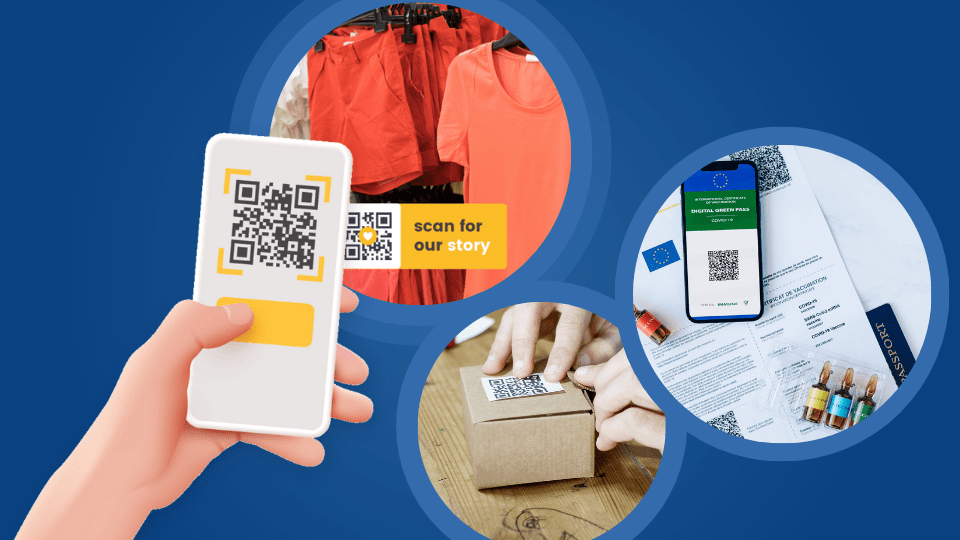
How QR Codes Are Used in Daily Digital Life
How QR Codes Are Used in Daily Digital Life – QR codes have quietly become a part of everyday digital life. What once looked like a strange black-and-white square is now something people scan without thinking twice. From buying coffee to logging into apps, QR codes are everywhere. Their simplicity and speed make them one of the most practical digital tools used today.
As smartphones became more powerful and internet access more stable, QR codes evolved from a niche technology into a daily necessity. They bridge the gap between the physical and digital world in a way that feels natural and effortless.
The Rise of QR Codes in Modern Society
QR codes were originally created to track automotive parts, but their purpose has expanded far beyond that. Today, almost everyone with a smartphone has scanned a QR code at least once. The real turning point came when mobile devices started supporting QR scanning directly from the camera app, removing the need for extra software.
Another major factor behind their popularity is convenience. QR codes eliminate the need to type long URLs, search manually, or install unnecessary apps. With one quick scan, users are instantly connected to information, services, or digital actions.
QR Codes in Everyday Payments
One of the most common uses of QR codes in daily digital life is digital payment. In many countries, QR-based payments have become an alternative to cash and cards. Small businesses, street vendors, and large retailers all use the same system, making transactions simple and fast.
Contactless and Cashless Transactions
QR code payments are especially popular because they are contactless. Users simply scan a code, confirm the amount, and complete the payment within seconds. This method reduces physical contact, speeds up checkout time, and minimizes human error.
For businesses, QR codes lower operational costs. There is no need for expensive payment terminals. A printed code or digital display is enough to accept payments, making this solution accessible even for small sellers.
QR Codes in Marketing and Advertising
Marketing is another area where QR codes play a major role. Brands use them to connect offline promotions with online experiences. Posters, flyers, product packaging, and even billboards often include QR codes that lead users to websites, landing pages, or social media profiles.
Bridging Offline and Online Experiences
QR codes allow businesses to track engagement more effectively. By scanning a code, users can access exclusive content, promotional offers, or additional product information. This makes advertising more interactive and measurable.
For example, a restaurant menu with a QR code can link to customer reviews, promotional deals, or an online reservation page. This seamless connection improves user experience and increases conversion potential.
QR Codes in Restaurants and Cafes
The food and beverage industry has widely adopted QR codes, especially in recent years. Digital menus are now common in cafes, restaurants, and food courts.
Customers scan a QR code on the table to view the menu, place orders, or even make payments. This system reduces printing costs, allows instant menu updates, and improves service efficiency.
From a customer perspective, QR menus feel modern and practical. They also support multiple languages, helping international visitors understand menu items without confusion.
QR Codes for Authentication and Security
Beyond convenience, QR codes also play a role in digital security. Many platforms use QR codes for login verification and account authentication.
Faster and Safer Login Methods
Instead of typing usernames and passwords, users can scan a QR code displayed on a screen using their mobile app. This method reduces the risk of keylogging and phishing attacks while saving time.
QR-based authentication is commonly used in messaging apps, banking platforms, and cloud services. It combines speed with an added layer of security, making it attractive for both users and service providers.
QR Codes in Events and Ticketing
Events, concerts, and conferences rely heavily on QR codes for ticketing and access control. Digital tickets with QR codes replace traditional paper tickets and reduce fraud.
When attendees arrive, staff simply scan the code to verify entry. This system speeds up check-in, improves crowd management, and allows organizers to track attendance in real time.
QR codes are also used for event information, schedules, and feedback forms, creating a fully digital event experience.
QR Codes in Education and Learning
Education has also embraced QR codes as a practical learning tool. Teachers use them to share digital resources, assignments, and additional reading materials.
Students can scan a QR code to access videos, documents, or quizzes instantly. This method supports blended learning and makes educational content more engaging.
In libraries, QR codes link physical books to digital summaries, author profiles, or related materials, enriching the learning process without extra effort.
QR Codes in Daily Information Access
QR codes are often used simply to share information quickly. From Wi-Fi access to contact details, they make everyday tasks easier.
Scanning a QR code to connect to a Wi-Fi network eliminates the need to type complex passwords. Business cards with QR codes allow instant saving of contact information to a smartphone.
These small uses may seem simple, but they significantly improve daily digital interactions by saving time and reducing friction.
Why QR Codes Continue to Grow
The continued growth of QR codes comes down to flexibility. They can be used across industries, platforms, and devices without compatibility issues. As long as a user has a camera and internet access, QR codes work.
They are also easy to create, modify, and track. Businesses can update linked content without changing the physical code, making them a long-term digital solution.
With the rise of smart cities, digital payments, and mobile-first experiences, QR codes are likely to remain relevant for years to come.
The Future of QR Codes in Digital Life
Looking ahead, QR codes will likely become even more integrated into daily routines. As augmented reality, digital identity systems, and smart devices continue to evolve, QR codes may serve as simple entry points into more advanced digital experiences.
Rather than being replaced, QR codes adapt. Their strength lies in their simplicity. In a fast-paced digital world, tools that save time and reduce effort will always have value.
Conclusion
QR codes are no longer just a trend. They are a practical digital tool that supports everyday activities, from payments and marketing to education and security. Their ability to connect the physical and digital world makes them essential in modern life.
As technology continues to move forward, QR codes remain relevant because they solve real problems in a simple way. This is why they have become a natural part of daily digital life and why their use will continue to grow across industries and communities.

QR Code Technology and Its Everyday Uses
QR Code Technology and Its Everyday Uses – QR Code technology has quietly become a part of everyday life. From paying for coffee to opening restaurant menus, QR codes are now everywhere. What started as a simple tracking tool has evolved into a fast, flexible, and highly practical digital solution used across many industries.
People often use QR codes without thinking much about the technology behind them. However, their growing popularity is not accidental. QR codes offer speed, convenience, and a seamless connection between the physical and digital worlds. In today’s mobile-first era, that connection matters more than ever.
This article explores how QR Code technology works and how it is used in everyday situations, from business and marketing to personal use.
What Is QR Code Technology?
A QR code, short for Quick Response code, is a two-dimensional barcode that stores information in a square grid pattern. Unlike traditional barcodes, QR codes can store much more data and can be scanned from almost any angle.
QR codes were first developed in the 1990s for industrial tracking, but their real breakthrough came with the rise of smartphones. Today, nearly every smartphone camera can scan a QR code instantly, without the need for additional apps.
This simplicity is one of the biggest reasons QR codes are so widely adopted.
How QR Codes Work in Simple Terms
When a QR code is scanned, the camera reads the pattern of black and white squares and converts it into readable data. That data can be a website link, contact details, payment information, or even plain text.
Once scanned, users are usually taken directly to the intended destination, such as a webpage or digital form. This instant access eliminates the need for typing URLs or searching manually, making the experience faster and more user-friendly.
Why QR Codes Are So Popular Today
QR codes fit perfectly into modern digital behavior. People want quick access, minimal effort, and instant results. QR codes deliver all three.
Another reason for their popularity is flexibility. QR codes can be printed on almost anything, including packaging, posters, business cards, and screens. They can also be updated dynamically when linked to editable content, making them a powerful long-term tool.
In addition, QR codes are cost-effective. Creating them is inexpensive, and distribution does not require advanced technology or infrastructure.
Everyday Uses of QR Code Technology
QR codes are no longer limited to niche applications. They are now used daily by millions of people around the world.
QR Codes in Payments and Transactions
One of the most common uses of QR codes is digital payment. Many cafes, shops, and street vendors accept QR-based payments because they are fast and secure.
Customers simply scan a code, confirm the payment, and the transaction is completed within seconds. This method reduces physical contact, speeds up checkout, and minimizes the need for cash or cards.
In many countries, QR payments have become a standard option for both small and large businesses.
QR Codes in Restaurants and Menus
Restaurants widely use QR codes for digital menus. Instead of printed menus, customers scan a QR code placed on the table and instantly view the menu on their phone.
This approach is not only hygienic but also practical. Restaurants can update prices, add new items, or remove sold-out dishes without reprinting menus. Customers also enjoy browsing menus at their own pace.
Some restaurants even allow ordering and payment directly through QR codes, creating a smoother dining experience.
QR Codes in Marketing and Advertising
Marketers love QR codes because they bridge offline and online marketing. A QR code on a poster, flyer, or product packaging can lead users directly to a landing page, promotion, or video.
This makes it easier to track engagement and measure campaign performance. Businesses can see how many people scanned the code and what actions they took afterward.
QR codes also encourage interaction. Instead of passively viewing an ad, users actively engage by scanning and exploring further content.
QR Codes for Business Cards and Networking
Traditional business cards are evolving. Many professionals now include QR codes on their cards that link to digital profiles, websites, or contact details.
With one scan, contacts can save phone numbers, email addresses, and social media links instantly. This reduces the risk of losing information and creates a more modern networking experience.
QR codes also allow professionals to update their online information without reprinting cards.
QR Codes in Education and Learning
Educational institutions use QR codes to share learning materials, assignments, and additional resources. Teachers can place QR codes in classrooms or textbooks to link students to videos, articles, or quizzes.
This method supports blended learning and makes information more accessible. Students can scan and learn anytime, anywhere, using their own devices.
QR codes also help streamline administrative processes such as attendance tracking and exam registration.
QR Codes for Personal and Daily Use
Beyond business and education, QR codes are useful in personal life as well.
People use QR codes to share Wi-Fi passwords, social media profiles, or event invitations. Instead of explaining details manually, one scan does the job.
QR codes are also popular for digital resumes, online portfolios, and even wedding invitations. Their versatility makes them suitable for almost any situation where quick information sharing is needed.
Security and Trust in QR Code Usage
While QR codes are convenient, users should remain cautious. Scanning unknown or suspicious codes can sometimes lead to unsafe websites.
To stay safe, it is important to scan QR codes from trusted sources and check the destination link before proceeding. Most smartphones now show a preview of the link, allowing users to verify it first.
Businesses can build trust by clearly explaining what their QR codes are for and ensuring the linked content is secure.
The Future of QR Code Technology
QR Code technology continues to evolve. As mobile usage grows, QR codes are likely to become even more integrated into daily life.
Future developments may include deeper integration with augmented reality, smart devices, and personalized user experiences. QR codes may also play a larger role in authentication, digital identity, and secure access systems.
What makes QR codes truly powerful is their simplicity. They do not rely on complex hardware or advanced skills, yet they deliver strong results across many use cases.
Final Thoughts on QR Code Technology
QR codes have transformed the way people access information and interact with the digital world. Their everyday uses range from payments and menus to marketing and personal sharing.
For businesses, QR codes offer a practical and cost-effective solution to engage customers. For individuals, they provide convenience and speed in daily activities.
As technology continues to move toward seamless digital experiences, QR Code technology remains a reliable and adaptable tool that fits naturally into modern life.