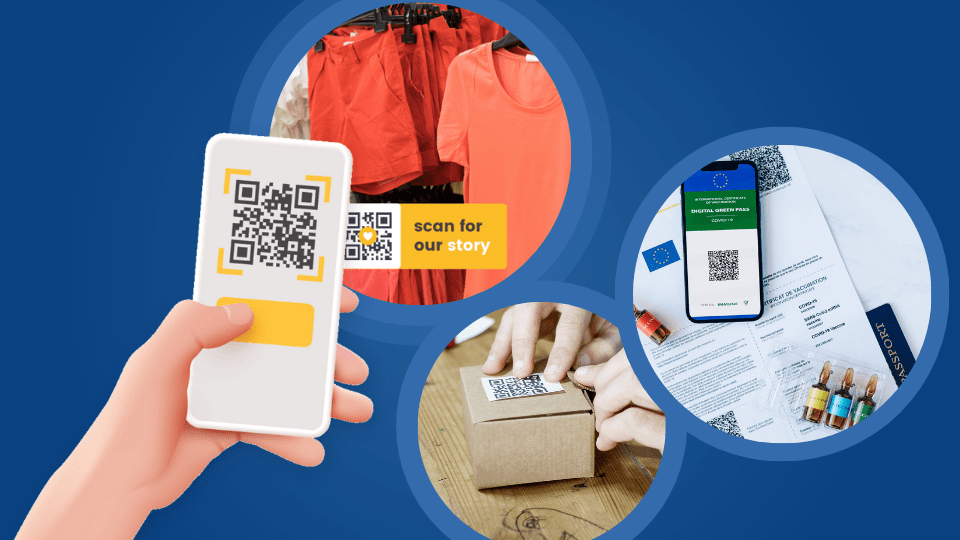
How QR Codes Are Used in Daily Digital Life – QR codes have quietly become a part of everyday digital life. What once looked like a strange black-and-white square is now something people scan without thinking twice. From buying coffee to logging into apps, QR codes are everywhere. Their simplicity and speed make them one of the most practical digital tools used today.
As smartphones became more powerful and internet access more stable, QR codes evolved from a niche technology into a daily necessity. They bridge the gap between the physical and digital world in a way that feels natural and effortless.
The Rise of QR Codes in Modern Society
QR codes were originally created to track automotive parts, but their purpose has expanded far beyond that. Today, almost everyone with a smartphone has scanned a QR code at least once. The real turning point came when mobile devices started supporting QR scanning directly from the camera app, removing the need for extra software.
Another major factor behind their popularity is convenience. QR codes eliminate the need to type long URLs, search manually, or install unnecessary apps. With one quick scan, users are instantly connected to information, services, or digital actions.
QR Codes in Everyday Payments
One of the most common uses of QR codes in daily digital life is digital payment. In many countries, QR-based payments have become an alternative to cash and cards. Small businesses, street vendors, and large retailers all use the same system, making transactions simple and fast.
Contactless and Cashless Transactions
QR code payments are especially popular because they are contactless. Users simply scan a code, confirm the amount, and complete the payment within seconds. This method reduces physical contact, speeds up checkout time, and minimizes human error.
For businesses, QR codes lower operational costs. There is no need for expensive payment terminals. A printed code or digital display is enough to accept payments, making this solution accessible even for small sellers.
QR Codes in Marketing and Advertising
Marketing is another area where QR codes play a major role. Brands use them to connect offline promotions with online experiences. Posters, flyers, product packaging, and even billboards often include QR codes that lead users to websites, landing pages, or social media profiles.
Bridging Offline and Online Experiences
QR codes allow businesses to track engagement more effectively. By scanning a code, users can access exclusive content, promotional offers, or additional product information. This makes advertising more interactive and measurable.
For example, a restaurant menu with a QR code can link to customer reviews, promotional deals, or an online reservation page. This seamless connection improves user experience and increases conversion potential.
QR Codes in Restaurants and Cafes
The food and beverage industry has widely adopted QR codes, especially in recent years. Digital menus are now common in cafes, restaurants, and food courts.
Customers scan a QR code on the table to view the menu, place orders, or even make payments. This system reduces printing costs, allows instant menu updates, and improves service efficiency.
From a customer perspective, QR menus feel modern and practical. They also support multiple languages, helping international visitors understand menu items without confusion.
QR Codes for Authentication and Security
Beyond convenience, QR codes also play a role in digital security. Many platforms use QR codes for login verification and account authentication.
Faster and Safer Login Methods
Instead of typing usernames and passwords, users can scan a QR code displayed on a screen using their mobile app. This method reduces the risk of keylogging and phishing attacks while saving time.
QR-based authentication is commonly used in messaging apps, banking platforms, and cloud services. It combines speed with an added layer of security, making it attractive for both users and service providers.
QR Codes in Events and Ticketing
Events, concerts, and conferences rely heavily on QR codes for ticketing and access control. Digital tickets with QR codes replace traditional paper tickets and reduce fraud.
When attendees arrive, staff simply scan the code to verify entry. This system speeds up check-in, improves crowd management, and allows organizers to track attendance in real time.
QR codes are also used for event information, schedules, and feedback forms, creating a fully digital event experience.
QR Codes in Education and Learning
Education has also embraced QR codes as a practical learning tool. Teachers use them to share digital resources, assignments, and additional reading materials.
Students can scan a QR code to access videos, documents, or quizzes instantly. This method supports blended learning and makes educational content more engaging.
In libraries, QR codes link physical books to digital summaries, author profiles, or related materials, enriching the learning process without extra effort.
QR Codes in Daily Information Access
QR codes are often used simply to share information quickly. From Wi-Fi access to contact details, they make everyday tasks easier.
Scanning a QR code to connect to a Wi-Fi network eliminates the need to type complex passwords. Business cards with QR codes allow instant saving of contact information to a smartphone.
These small uses may seem simple, but they significantly improve daily digital interactions by saving time and reducing friction.
Why QR Codes Continue to Grow
The continued growth of QR codes comes down to flexibility. They can be used across industries, platforms, and devices without compatibility issues. As long as a user has a camera and internet access, QR codes work.
They are also easy to create, modify, and track. Businesses can update linked content without changing the physical code, making them a long-term digital solution.
With the rise of smart cities, digital payments, and mobile-first experiences, QR codes are likely to remain relevant for years to come.
The Future of QR Codes in Digital Life
Looking ahead, QR codes will likely become even more integrated into daily routines. As augmented reality, digital identity systems, and smart devices continue to evolve, QR codes may serve as simple entry points into more advanced digital experiences.
Rather than being replaced, QR codes adapt. Their strength lies in their simplicity. In a fast-paced digital world, tools that save time and reduce effort will always have value.
Conclusion
QR codes are no longer just a trend. They are a practical digital tool that supports everyday activities, from payments and marketing to education and security. Their ability to connect the physical and digital world makes them essential in modern life.
As technology continues to move forward, QR codes remain relevant because they solve real problems in a simple way. This is why they have become a natural part of daily digital life and why their use will continue to grow across industries and communities.