Create Dynamic QR Code Designs for Business Marketing Today
Introduction to Dynamic QR Codes in Business Marketing
Create Dynamic QR Code Designs for Business Marketing Today – In today’s fast-paced digital environment, businesses are constantly seeking innovative ways to engage with customers. One of the most powerful tools emerging in the marketing world is the dynamic QR code. Unlike traditional static QR codes, dynamic ones offer unparalleled flexibility, allowing businesses to modify the content linked to the code even after it’s been printed or shared. This flexibility makes dynamic QR codes an essential asset for business marketing strategies.
What is a Dynamic QR Code?
A dynamic QR code differs significantly from its static counterpart. Static QR codes have a fixed destination—once they are created, their content cannot be changed. On the other hand, dynamic QR codes allow businesses to change the URL or content the QR code leads to without reprinting or redistributing the code. This ability to update the linked content makes dynamic QR codes a versatile marketing tool.
Benefits of Dynamic QR Codes for Businesses
1. Trackable and Measurable
Dynamic QR codes come with the advantage of being trackable. They provide businesses with detailed analytics that reveal how many times the code has been scanned, where it was scanned, and even the type of device used. This data helps businesses measure the success of their marketing efforts and make informed decisions about future campaigns.
2. Seamlessly Bridge Offline and Online Marketing
Dynamic QR codes are incredibly effective for linking offline marketing materials to online content. A business could print a dynamic QR code on a brochure, flyer, or billboard, linking customers to a promotional page, a product catalog, or an online ordering system. By scanning the QR code, customers can easily transition from offline advertisements to the online world, creating a smooth and seamless customer experience.
Designing Dynamic QR Codes: Best Practices
1. Customize the Code to Match Your Brand
While QR codes have historically been simple black-and-white squares, dynamic QR codes offer more creative flexibility. Businesses can customize the design to align with their branding by changing the colors, adding logos, and even altering the code’s shape. This customization not only enhances the aesthetic appeal but also reinforces brand identity. A unique, branded QR code is more likely to catch the attention of customers and increase engagement.
2. Ensure the Code is Easily Scannable
A well-designed QR code should strike a balance between creativity and functionality. Even when customized, the QR code must remain scannable. Make sure there’s enough contrast between the foreground and background, and avoid overly complicated designs that could interfere with scanning. Testing the code across various devices is also essential to ensure it works properly.
Creative Ways to Use Dynamic QR Codes in Marketing Campaigns
1. Interactive Advertising
One of the most exciting applications of dynamic QR codes is their use in interactive advertising. Whether in print ads, posters, or product packaging, businesses can place a dynamic QR code that links customers to exclusive offers, video content, or contests. This not only makes the advertisement more engaging but also incentivizes customers to take immediate action.
2. Promoting Special Offers and Discounts
Dynamic QR codes can be a powerful tool for driving promotions and sales. Retailers often use dynamic QR codes in their stores or on promotional materials to offer time-sensitive discounts. Customers who scan the code are directed to a landing page where they can redeem the offer, creating a sense of urgency and boosting conversions.
Integrating Dynamic QR Codes with Customer Engagement
1. Loyalty Programs
Businesses can enhance customer loyalty by linking dynamic QR codes to their reward or loyalty programs. By scanning the QR code, customers can check their reward points, view personalized offers, or access exclusive member-only content. This personalized approach helps businesses build stronger relationships with their audience, turning one-time buyers into repeat customers.
2. Gathering Customer Feedback
Dynamic QR codes provide a unique opportunity to collect customer feedback in real-time. Businesses can prompt customers to participate in surveys or leave reviews through the QR code, gaining valuable insights into customer preferences and areas for improvement. This feedback loop is vital for improving products and services.
Real-Life Examples of Dynamic QR Code Success
1. Restaurants Using QR Codes for Menus and Orders
Restaurants are increasingly adopting dynamic QR codes to streamline their operations and improve the customer experience. By placing a QR code on the table or menu, customers can easily access an interactive digital menu and place orders directly from their smartphones. This eliminates the need for physical menus and enhances convenience, especially in a post-pandemic world.
2. Retail Stores Using QR Codes for Promotions
Retail stores are taking advantage of dynamic QR codes to promote new products, offer special discounts, or share online catalogs with customers. For instance, a clothing store may place a dynamic QR code on a window display, leading passersby to a page featuring their latest collection. This technique encourages foot traffic and increases the likelihood of sales.
How to Effectively Incorporate Dynamic QR Codes into Your Marketing Strategy
1. Multi-Channel Integration
To maximize the impact of dynamic QR codes, businesses should incorporate them into a multi-channel marketing strategy. Whether it’s on social media, email campaigns, or traditional print media, QR codes should be part of a broader, cohesive marketing plan. Linking a QR code to an online offer, survey, or special event is an excellent way to keep customers engaged and invested in your brand.
2. Keep Content Relevant and Up-to-Date
The power of dynamic QR codes lies in their ability to change the content they link to. Businesses should continuously update the linked content to keep it fresh and relevant. Whether it’s a seasonal promotion, new product launch, or updated service offering, regularly refreshing the content ensures that customers always have a reason to scan the code.
Conclusion: Embracing the Future of Marketing with Dynamic QR Codes
Dynamic QR codes represent a powerful tool for businesses looking to stay ahead in the competitive marketing landscape. They offer flexibility, ease of use, and valuable insights that can help companies optimize their marketing efforts. By integrating dynamic QR codes into your business strategy, you can create more engaging, personalized experiences for your customers while driving measurable results. Whether you’re a small business or a large enterprise, dynamic QR codes are an investment worth considering for your marketing toolkit.
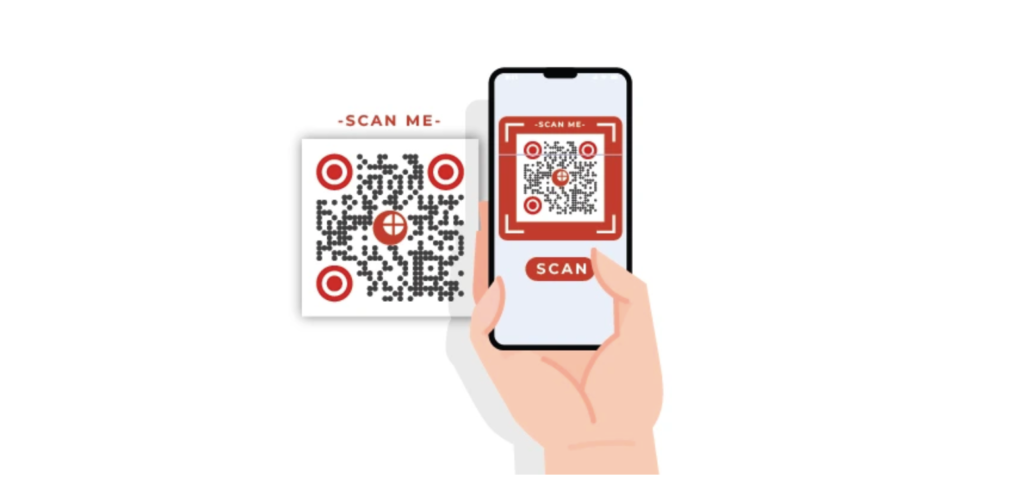
QR Code Praktis: Easy Ways to Create and Use QR Codes in 2026
QR Code Praktis: Easy Ways to Create and Use QR Codes in 2026 – QR codes have become part of everyday life. From restaurant menus and online payments to event tickets and marketing campaigns, QR codes are everywhere. In 2026, they are no longer a “new” technology, but a practical tool that makes daily tasks faster and easier. QR Code Praktis focuses on simple, real-world ways to create and use QR codes without technical headaches.
This guide is designed for beginners and everyday users.
Why QR Codes Still Matter in 2026
Even with advanced apps and smart devices, QR codes remain popular because they are simple and universal. Almost every smartphone can scan a QR code without extra software.
QR codes reduce friction. Instead of typing long URLs or searching manually, users can access information instantly. This speed and convenience keep QR codes relevant in 2026, especially for businesses and individuals who value efficiency.
Simple tools often last the longest.
Common Uses of QR Codes Today
In 2026, QR codes are used in many practical situations. Restaurants use them for digital menus, stores use them for payments, and events rely on them for tickets and check-ins.
Small businesses also use QR codes to share contact details, social media pages, or promotional offers. For personal use, QR codes help share Wi-Fi passwords, location links, or online portfolios.
Their flexibility is one of their biggest strengths.
How QR Codes Make Life Easier
QR codes save time. A quick scan can replace several steps, making interactions smoother.
For customers, QR codes mean faster access to information. For businesses, they reduce printing costs and make updates easy. One small code can hold many possibilities, which is why QR codes feel practical rather than complicated.
Convenience drives adoption.
Easy Ways to Create QR Codes
Creating a QR code in 2026 is simple and accessible. Many online tools allow users to generate QR codes in seconds.
Most platforms only require users to paste a link, text, or contact detail. Some tools also allow customization, such as adding colors or logos, without affecting scan reliability.
No technical skills are required, making QR codes friendly for everyone.
Static vs Dynamic QR Codes
Understanding the difference between static and dynamic QR codes helps users choose the right option.
Static QR codes store fixed information and are ideal for simple uses like sharing a website link. Dynamic QR codes allow users to update the content without changing the code itself.
For businesses that frequently update information, dynamic QR codes offer more flexibility.
Best Practices for Using QR Codes
Placement and design matter. A QR code should be easy to see and scan.
Using high contrast colors, proper sizing, and clear instructions like “Scan here” improves user experience. Testing the QR code before publishing ensures it works across different devices.
Good usability builds trust and encourages interaction.
QR Codes for Marketing and Promotion
QR codes remain powerful tools for marketing in 2026. They connect offline materials to online content seamlessly.
Flyers, posters, packaging, and business cards become interactive with QR codes. Marketers use them to track campaigns, collect feedback, or offer exclusive content.
When used creatively, QR codes increase engagement.
QR Codes for Personal and Professional Use
Beyond business, QR codes are useful for personal branding. Freelancers and professionals share portfolios, resumes, or contact details with a single scan.
QR codes also support remote work by simplifying access to shared documents or meeting links. Their simplicity fits modern lifestyles that value speed and flexibility.
Small tools can make a big impact.
Security and Privacy Considerations
While QR codes are convenient, users should remain cautious. Scanning unknown codes can lead to unsafe links.
In 2026, awareness is key. Users should scan QR codes from trusted sources and avoid sharing sensitive information unnecessarily. Simple caution keeps QR codes safe and effective.
Smart use ensures long-term trust.
The Future of QR Codes Beyond 2026
QR codes continue to evolve alongside technology. Integration with smart systems, payments, and digital identities keeps them relevant.
Their strength lies in simplicity. Even as technology advances, QR codes remain a bridge between physical and digital worlds.
They may look basic, but their value is proven.
Final Thoughts
QR Code Praktis: Easy Ways to Create and Use QR Codes in 2026 shows that QR codes are still practical, simple, and powerful tools. They help individuals and businesses save time, reduce friction, and connect instantly.
In a fast-moving digital world, sometimes the easiest solutions are the most effective. QR codes continue to prove that simplicity works.