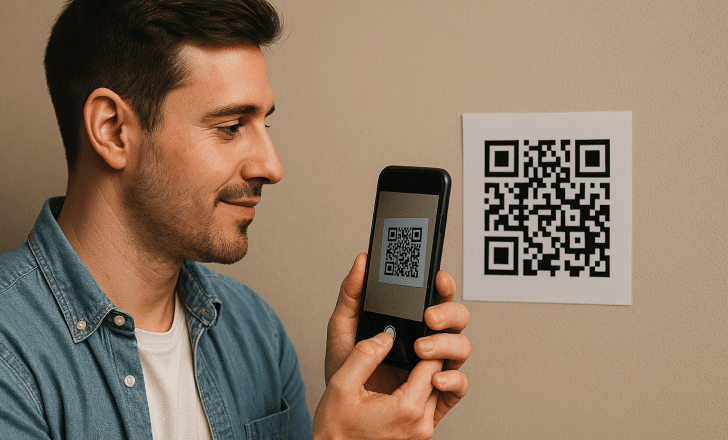
Best Free QR Code Generator 2026 Dynamic Custom and Tracker
Best Free QR Code Generator 2026 Dynamic Custom and Tracker – QR codes are everywhere in 2026. From restaurant menus and product packaging to digital payments and marketing campaigns, QR codes have become a daily tool for both businesses and individuals. Because of this, many people are now searching for the best free QR code generator that offers dynamic features, custom designs, and tracking capabilities without complicated setups.
The good news is that modern QR code tools are more powerful, flexible, and user-friendly than ever.
Why QR Code Generators Are More Important Than Ever
QR codes are no longer just simple black-and-white squares. In 2026, they are smart marketing tools that connect offline audiences to online content instantly.
Businesses use QR codes to share websites, track campaigns, collect leads, and even update content without reprinting materials. For individuals, QR codes make sharing links, social profiles, or contact details quick and effortless.
This growing demand has pushed developers to create free QR code generators with advanced features that used to be paid-only.
What Makes a Great Free QR Code Generator in 2026?
Not all free QR code generators are created equal. The best tools in 2026 focus on flexibility, ease of use, and reliability.
A good generator should allow you to create QR codes quickly without forcing sign-ups. It should support different content types such as URLs, text, emails, phone numbers, and social media links.
Most importantly, modern users expect customization and analytics, even in free versions.
Dynamic QR Codes: A Game Changer
Dynamic QR codes are one of the biggest trends in 2026. Unlike static QR codes, dynamic ones allow you to change the destination link without changing the QR code itself.
This feature is extremely useful for marketing campaigns, printed ads, and product labels. You can update promotions, landing pages, or content anytime without reprinting anything.
Many free QR code generators now offer limited dynamic features, making them perfect for small businesses and creators.
Custom QR Code Design for Branding
Visual branding matters more than ever. Plain QR codes still work, but custom designs grab more attention and increase scan rates.
In 2026, the best free QR code generators allow users to change colors, shapes, and add logos. This helps businesses match QR codes with their brand identity.
A well-designed QR code looks professional, trustworthy, and more engaging for users.
QR Code Tracking and Analytics
Tracking is no longer a luxury feature. Businesses want to know how many people scan their QR codes, where they scan from, and which campaigns perform best.
Free QR code generators in 2026 often include basic tracking features. These insights help users measure performance without spending money on complex tools.
Even simple scan data can make a big difference when optimizing marketing strategies.
Ease of Use for Beginners and Professionals
One reason QR code tools are so popular is their simplicity. The best generators focus on clean interfaces and fast results.
In 2026, users expect to generate a QR code in seconds. No confusing settings, no unnecessary steps. Just enter the data, customize if needed, and download.
This ease of use makes QR code generators accessible to everyone, from beginners to experienced marketers.
Free vs Paid QR Code Generators
While paid tools offer advanced analytics and unlimited dynamic QR codes, free generators are more than enough for most users.
For small businesses, freelancers, and personal projects, free QR code generators provide excellent value. Many free tools now include features that were once exclusive to premium plans.
Choosing the right free tool depends on how often you need updates, tracking depth, and design flexibility.
Common Uses of QR Codes in 2026
QR codes are used across many industries. Restaurants use them for digital menus, retailers link them to product pages, and event organizers share schedules and tickets.
In digital marketing, QR codes connect offline ads to online funnels. For personal use, they simplify sharing links and contact information.
This wide range of use cases explains why free QR code generators are in such high demand.
Security and Reliability Matter
With increased usage comes the need for security. A reliable QR code generator ensures that links stay active and data is protected.
In 2026, trusted tools use secure hosting and clear privacy policies. Users should always choose generators with good reputations and transparent features.
Reliable QR codes build trust with users and customers alike.
Future Trends in QR Code Technology
QR codes will continue evolving beyond 2026. Expect deeper integrations with analytics platforms, AI-powered insights, and even smarter dynamic features.
Customization options will grow, and tracking data will become more detailed. Free tools will also continue improving as competition increases.
QR codes are no longer a trend—they are a permanent part of digital interaction.
Final Thoughts
The best free QR code generator in 2026 offers a balance of dynamic functionality, custom design options, and tracking features while remaining easy to use. These tools empower businesses, creators, and individuals to connect offline and online experiences seamlessly.
With the right QR code generator, you can create professional, trackable, and flexible QR codes without spending a dime. As QR technology continues to grow, choosing the right tool today will give you an advantage tomorrow.
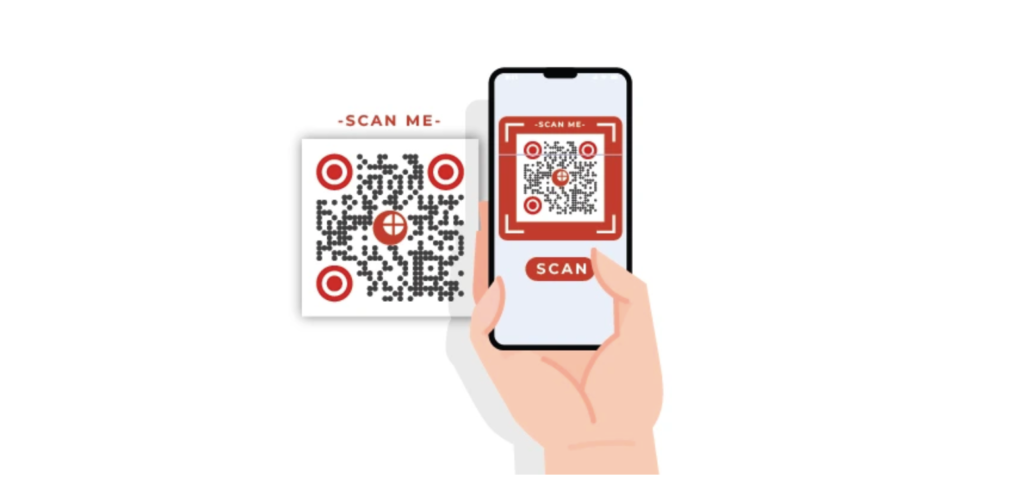
QR Code Praktis: Easy Ways to Create and Use QR Codes in 2026
QR Code Praktis: Easy Ways to Create and Use QR Codes in 2026 – QR codes have become part of everyday life. From restaurant menus and online payments to event tickets and marketing campaigns, QR codes are everywhere. In 2026, they are no longer a “new” technology, but a practical tool that makes daily tasks faster and easier. QR Code Praktis focuses on simple, real-world ways to create and use QR codes without technical headaches.
This guide is designed for beginners and everyday users.
Why QR Codes Still Matter in 2026
Even with advanced apps and smart devices, QR codes remain popular because they are simple and universal. Almost every smartphone can scan a QR code without extra software.
QR codes reduce friction. Instead of typing long URLs or searching manually, users can access information instantly. This speed and convenience keep QR codes relevant in 2026, especially for businesses and individuals who value efficiency.
Simple tools often last the longest.
Common Uses of QR Codes Today
In 2026, QR codes are used in many practical situations. Restaurants use them for digital menus, stores use them for payments, and events rely on them for tickets and check-ins.
Small businesses also use QR codes to share contact details, social media pages, or promotional offers. For personal use, QR codes help share Wi-Fi passwords, location links, or online portfolios.
Their flexibility is one of their biggest strengths.
How QR Codes Make Life Easier
QR codes save time. A quick scan can replace several steps, making interactions smoother.
For customers, QR codes mean faster access to information. For businesses, they reduce printing costs and make updates easy. One small code can hold many possibilities, which is why QR codes feel practical rather than complicated.
Convenience drives adoption.
Easy Ways to Create QR Codes
Creating a QR code in 2026 is simple and accessible. Many online tools allow users to generate QR codes in seconds.
Most platforms only require users to paste a link, text, or contact detail. Some tools also allow customization, such as adding colors or logos, without affecting scan reliability.
No technical skills are required, making QR codes friendly for everyone.
Static vs Dynamic QR Codes
Understanding the difference between static and dynamic QR codes helps users choose the right option.
Static QR codes store fixed information and are ideal for simple uses like sharing a website link. Dynamic QR codes allow users to update the content without changing the code itself.
For businesses that frequently update information, dynamic QR codes offer more flexibility.
Best Practices for Using QR Codes
Placement and design matter. A QR code should be easy to see and scan.
Using high contrast colors, proper sizing, and clear instructions like “Scan here” improves user experience. Testing the QR code before publishing ensures it works across different devices.
Good usability builds trust and encourages interaction.
QR Codes for Marketing and Promotion
QR codes remain powerful tools for marketing in 2026. They connect offline materials to online content seamlessly.
Flyers, posters, packaging, and business cards become interactive with QR codes. Marketers use them to track campaigns, collect feedback, or offer exclusive content.
When used creatively, QR codes increase engagement.
QR Codes for Personal and Professional Use
Beyond business, QR codes are useful for personal branding. Freelancers and professionals share portfolios, resumes, or contact details with a single scan.
QR codes also support remote work by simplifying access to shared documents or meeting links. Their simplicity fits modern lifestyles that value speed and flexibility.
Small tools can make a big impact.
Security and Privacy Considerations
While QR codes are convenient, users should remain cautious. Scanning unknown codes can lead to unsafe links.
In 2026, awareness is key. Users should scan QR codes from trusted sources and avoid sharing sensitive information unnecessarily. Simple caution keeps QR codes safe and effective.
Smart use ensures long-term trust.
The Future of QR Codes Beyond 2026
QR codes continue to evolve alongside technology. Integration with smart systems, payments, and digital identities keeps them relevant.
Their strength lies in simplicity. Even as technology advances, QR codes remain a bridge between physical and digital worlds.
They may look basic, but their value is proven.
Final Thoughts
QR Code Praktis: Easy Ways to Create and Use QR Codes in 2026 shows that QR codes are still practical, simple, and powerful tools. They help individuals and businesses save time, reduce friction, and connect instantly.
In a fast-moving digital world, sometimes the easiest solutions are the most effective. QR codes continue to prove that simplicity works.

QR Code: A Simple Technology That Changed Everyday Life
QR Code: A Simple Technology That Changed Everyday Life – QR codes have quietly become part of daily life. From restaurant menus to payment systems, this small square pattern is now everywhere. What started as a simple tracking tool has evolved into one of the most practical digital technologies used around the world.
Despite its simplicity, the QR code has transformed how people access information, make transactions, and connect the physical world with digital content.
The Origin of QR Codes
QR code stands for “Quick Response” code. It was first developed in the 1990s by a Japanese company to track automotive parts. Unlike traditional barcodes, QR codes can store more data and can be scanned from any direction.
At the time, QR codes were mainly used in industrial settings. No one expected them to become a mainstream tool used by millions of people every day.
How QR Codes Became Popular
The real growth of QR codes happened with the rise of smartphones. Once mobile phones included built-in cameras and scanning apps, QR codes became easy to use.
Later, global events pushed their adoption even further. Businesses needed contactless solutions, and QR codes offered a fast and affordable option. Restaurants replaced printed menus, event organizers simplified ticketing, and retailers introduced quick payment options.
What was once optional quickly became normal.
How QR Codes Work in Simple Terms
A QR code stores information in a two-dimensional grid of black and white squares. When scanned, the camera reads the pattern and converts it into usable data.
This data can include:
- Website links
- Contact information
- Payment details
- App downloads
- Text or instructions
The process is instant. One scan is enough to access the information without typing anything manually.
QR Codes in Everyday Situations
Today, QR codes appear in many parts of daily life. People often use them without even thinking about it.
Common examples include:
- Digital menus in cafés and restaurants
- Mobile payment systems
- Event tickets and boarding passes
- Product packaging and manuals
- Login verification and security checks
Their convenience has made them widely accepted across different age groups.
Why Businesses Rely on QR Codes
For businesses, QR codes offer flexibility and efficiency. They reduce the need for printed materials and make updates easier.
If information changes, there is no need to reprint everything. A single QR code can lead users to updated content instantly.
Businesses also appreciate QR codes because they:
- Save time
- Lower operational costs
- Improve customer interaction
- Support contactless services
Small businesses and large brands alike benefit from this technology.
QR Codes and Digital Payments
One of the most important uses of QR codes today is digital payment. In many countries, QR-based payment systems have become standard.
Users simply scan a code, enter an amount, and confirm the transaction. This method is fast, secure, and does not require physical cards or cash.
For vendors, QR payments reduce the need for expensive hardware. A printed code is often enough to accept payments.
Security and Privacy Considerations
While QR codes are generally safe, users should still be cautious. A QR code is only as trustworthy as its source.
Scanning unknown or suspicious QR codes can lead to:
- Fake websites
- Phishing attempts
- Malware downloads
- To stay safe, users should:
- Scan codes from trusted sources
- Check the link before opening it
- Avoid sharing personal data unnecessarily
With basic awareness, QR codes remain a secure and useful tool.
Creative Uses of QR Codes
Beyond practical purposes, QR codes are also used creatively. Artists, marketers, and educators have found unique ways to integrate them into their work.
Examples include:
- QR codes in art exhibitions linking to stories
- Music posters connecting to playlists
- Business cards with digital profiles
- Educational materials with interactive content
These creative uses show how flexible QR codes can be.
QR Codes in Marketing and Communication
QR codes help bridge offline and online communication. A poster, flyer, or product label can instantly connect users to digital content.
Instead of long explanations, a single scan provides:
- Detailed information
- Videos or tutorials
- Registration forms
- Special offers
This makes communication more efficient and engaging for both businesses and users.
The Role of QR Codes in a Contactless World
Contactless solutions are no longer a trend—they are an expectation. QR codes fit naturally into this shift.
They allow people to interact without physical contact, which is especially important in public spaces. This convenience has made QR codes a long-term solution rather than a temporary tool.
Accessibility and Ease of Use
One reason QR codes are so widely accepted is their simplicity. Almost anyone with a smartphone can use them.
No special training is needed. No complex setup is required. This accessibility makes QR codes suitable for users of all ages and backgrounds.
The Future of QR Codes
As technology continues to evolve, QR codes are likely to remain relevant. Their low cost, ease of use, and adaptability make them hard to replace.
Future developments may include:
- Enhanced security features
- Better integration with apps
- More personalized user experiences
Rather than disappearing, QR codes are expected to evolve alongside digital technology.
Conclusion
QR codes are a simple yet powerful tool that has reshaped how people access information and interact with services. From payments to menus, tickets to marketing, their role in daily life continues to grow.
What makes QR codes special is not complexity, but practicality. They solve real problems in a fast and accessible way. As long as convenience remains important, QR codes will continue to be part of everyday digital experiences.