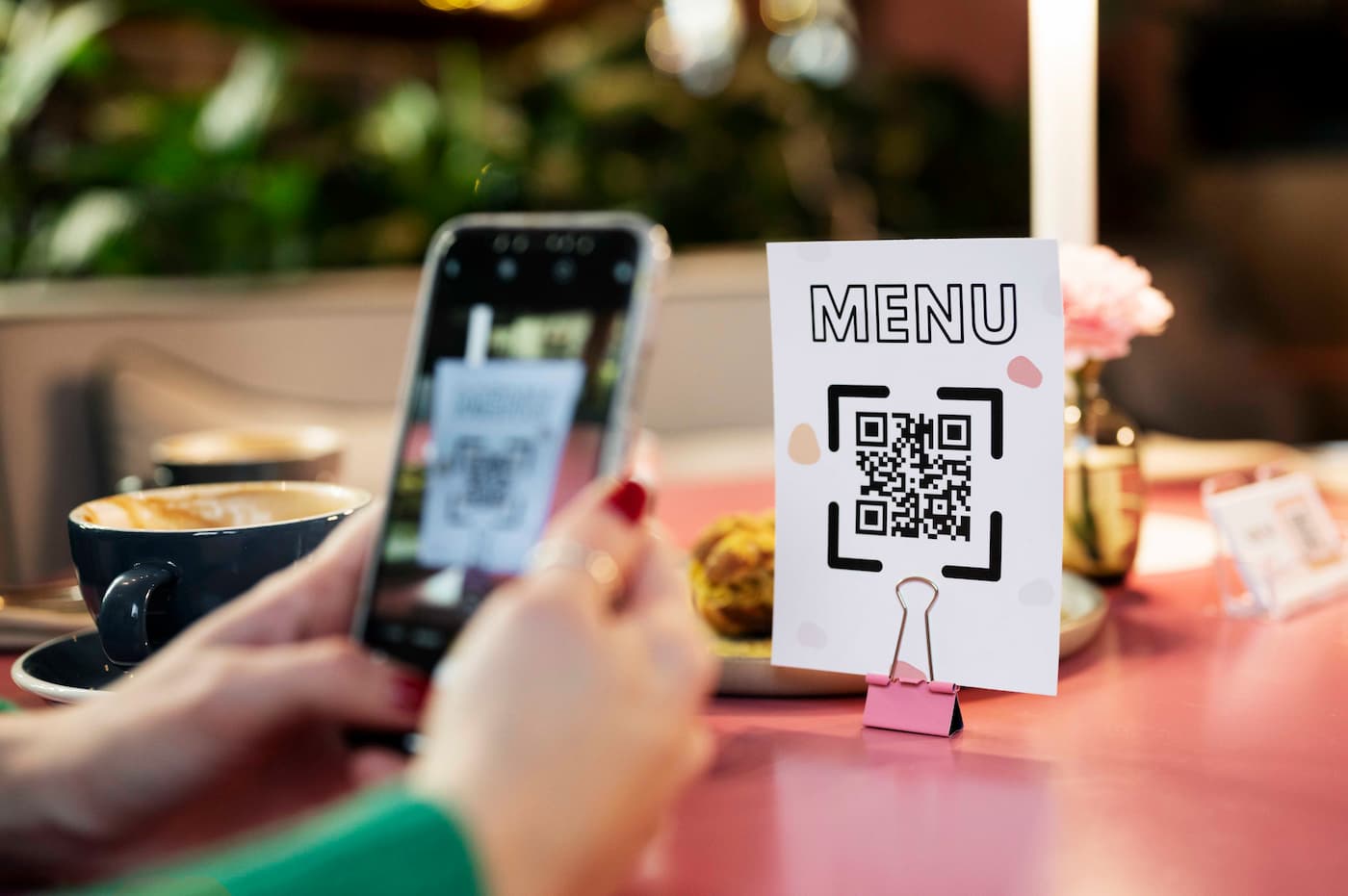
QR Code for Restaurants and Retail
QR Code for Restaurants and Retail – In today’s fast-moving digital world, restaurants and retail businesses are constantly looking for simple ways to improve customer experience while keeping operations efficient. One solution that continues to grow in popularity is the use of QR codes. What once felt like a temporary trend has now become a permanent tool in modern business strategies.
QR code technology offers an easy bridge between offline and online experiences. With just a quick scan, customers can access menus, promotions, payment options, or product information instantly. For restaurants and retail stores, this small square can create a big impact when used the right way.
Why QR Codes Are Becoming Essential in Restaurants
Restaurants were among the first industries to widely adopt QR codes, and for good reason. Customers today value speed, convenience, and minimal friction. QR codes help deliver all three without requiring expensive systems or complicated setups.
Contactless Menus and Ordering Experience
One of the most common uses of QR codes in restaurants is digital menus. Instead of printing physical menus that need frequent updates, restaurants can provide a QR code on the table or counter. Customers scan it using their smartphones and instantly see the latest menu.
This approach reduces printing costs and allows menu updates in real time. Seasonal items, price changes, or sold-out dishes can be adjusted quickly without disrupting operations. From a customer’s perspective, it feels modern, efficient, and hygienic.
Beyond menus, QR codes can also link directly to online ordering systems. This allows guests to place orders at their own pace, reduces waiting time, and minimizes order errors caused by miscommunication.
Faster Payments and Table Turnover
QR codes also simplify the payment process. Restaurants can link QR codes to digital payment platforms, making it easier for customers to pay without waiting for a bill or cashier. Faster payments mean faster table turnover, which directly impacts revenue, especially during busy hours.
Customers appreciate the control and flexibility, while restaurants benefit from smoother operations and reduced staff workload.
QR Code Benefits for Retail Businesses
Retail stores use QR codes differently, but the benefits are just as powerful. In a retail environment, QR codes help bridge the gap between physical products and digital information.
Product Information at the Point of Decision
Customers often want more information before making a purchase. QR codes placed on shelves, tags, or packaging can provide instant access to product details, specifications, usage tips, or even demonstration videos.
This added layer of information builds trust and helps customers make confident buying decisions. It also reduces the need for staff to answer repetitive questions, allowing them to focus on higher-value interactions.
Promotions, Discounts, and Loyalty Programs
QR codes are an effective way to run promotions without cluttering the store with signage. A simple scan can unlock exclusive discounts, limited-time offers, or loyalty program sign-ups.
For retail businesses, this creates an opportunity to capture customer data, encourage repeat visits, and personalize future marketing campaigns. Customers feel rewarded for engaging, while the business builds a stronger relationship.
SEO Value of QR Codes for Local Businesses
From an SEO perspective, QR codes can quietly support a broader digital strategy. While QR codes themselves are offline elements, they drive traffic to online assets that matter.
When QR codes link to optimized landing pages, menus, or product pages, they increase direct traffic and engagement metrics. This sends positive signals to search engines, especially for local SEO.
Restaurants and retail stores can use QR codes to guide users to Google reviews, location pages, or social profiles. More reviews, longer session durations, and higher engagement all contribute to better visibility in local search results.
How QR Codes Improve Customer Experience
Customer experience is no longer just about the product or service. It’s about how easy and enjoyable the entire journey feels. QR codes remove unnecessary steps and friction from that journey.
Instead of waiting, asking, or searching, customers get instant access to what they need. This sense of control creates a more relaxed and satisfying experience. When customers feel comfortable, they are more likely to stay longer, spend more, and return in the future.
For businesses, this translates into higher customer satisfaction and stronger brand perception without significant investment.
Best Practices for Using QR Codes Effectively
Using QR codes is simple, but using them effectively requires thoughtful execution. Poor placement or broken links can quickly damage trust.
QR codes should always lead to mobile-friendly pages that load fast and deliver clear value. Whether it’s a menu, product page, or promotion, the content should be easy to read and navigate on a smartphone.
Clear context also matters. Customers should know what they will get before scanning. A short message like “Scan to view menu” or “Scan for product details” sets expectations and increases scan rates naturally.
The Future of QR Codes in Restaurants and Retail
QR codes are no longer a temporary solution. As consumer behavior continues to shift toward mobile-first interactions, QR codes will remain a practical and scalable tool.
In the future, we can expect deeper integration with customer data, personalized experiences, and automation. Restaurants may use QR codes to remember customer preferences, while retail stores may offer tailored promotions based on browsing history.
The businesses that embrace this technology early and use it strategically will have a clear advantage in an increasingly competitive market.
Final Thoughts on QR Code Adoption
QR codes for restaurants and retail are more than just a convenience. They represent a shift toward smarter, more efficient, and customer-centric business models.
With low implementation costs and high potential returns, QR codes offer a simple way to modernize operations, improve customer experience, and support digital growth. For businesses looking to stay relevant and competitive, integrating QR codes is not just an option, but a smart long-term move.