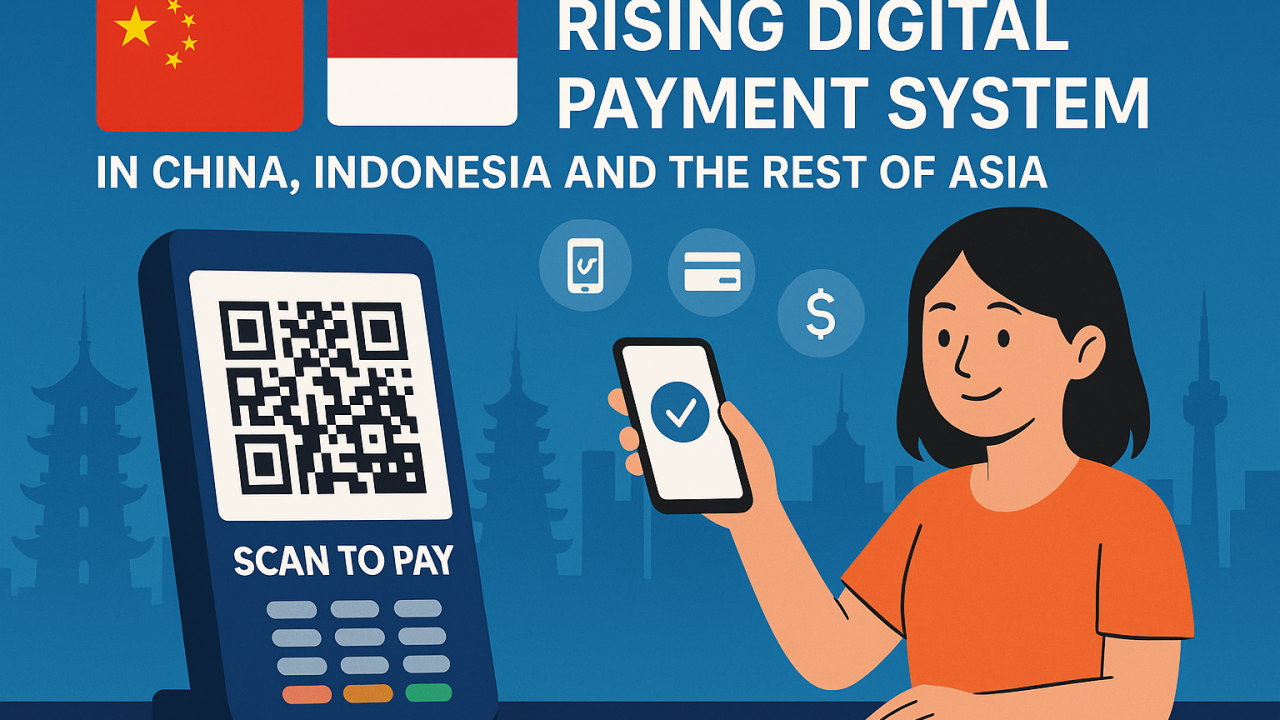
QR Code Adoption for Businesses in Indonesia – The way Indonesian businesses accept payments and connect with customers has changed dramatically in the last few years. One of the biggest drivers of this shift is QR code adoption. From street food vendors in small towns to large retail chains in Jakarta, QR codes have become a familiar sight across the country. This rapid growth is closely tied to the rise of digital wallets, mobile banking, and government-backed initiatives that promote cashless transactions.
In a market as dynamic as Indonesia, businesses are always looking for simple and cost-effective ways to improve operations. QR codes answer that need. They are easy to implement, affordable, and flexible enough to support payments, promotions, loyalty programs, and customer engagement. As more consumers rely on smartphones for daily transactions, QR code usage continues to expand at a steady pace.
The Role of Bank Indonesia and QRIS
A major factor behind the widespread use of QR codes in Indonesia is the introduction of QRIS by Bank Indonesia. QRIS, short for Quick Response Code Indonesian Standard, was launched to standardize QR code payments across different banks and e-wallet providers. Before QRIS, merchants often had to display multiple QR codes for different payment apps. This created confusion and inefficiency.
With QRIS, businesses only need one QR code that can be scanned by various mobile banking apps and digital wallets. This single standard simplifies transactions and reduces operational complexity. It also builds trust among consumers, as they know the system is regulated and supervised by the central bank.
For small and medium-sized enterprises, QRIS has lowered the barrier to entry into digital payments. Registering for QRIS is relatively straightforward, and transaction fees are generally competitive compared to traditional card payment systems. As a result, many micro and small businesses have joined the cashless ecosystem.
Why Indonesian Businesses Are Embracing QR Codes
The growth of QR code adoption in Indonesia is not just about following a trend. It is driven by real business advantages that directly impact revenue and customer satisfaction.
First, cost efficiency plays a significant role. Traditional point-of-sale systems and card machines can be expensive, especially for small merchants. QR codes, on the other hand, only require a printed code and a connected bank account or e-wallet. This makes them ideal for small shops, food stalls, home-based businesses, and even temporary event booths.
Second, speed and convenience matter. Indonesian consumers are increasingly comfortable using smartphones for payments. Scanning a QR code takes only a few seconds, and transactions are completed instantly. This reduces queues, speeds up service, and improves the overall customer experience.
Third, digital records are a valuable benefit. Every QR payment generates a transaction history that can be used for bookkeeping and financial management. For small business owners who previously relied on manual records, this digital trail provides better visibility into cash flow and sales performance.
Digital Wallet Growth and Consumer Behavior
The rise of digital wallets has strongly influenced QR code adoption. Platforms such as GoPay, OVO, and DANA have invested heavily in promotions, cashback offers, and partnerships with merchants. These campaigns encourage users to pay with QR codes instead of cash.
Consumers are also drawn to the practicality of mobile payments. Many Indonesians prefer carrying their phones rather than large amounts of cash. In urban areas especially, paying with a QR code has become part of everyday life, whether for coffee, transportation, groceries, or online-to-offline purchases.
As digital literacy improves and internet access expands, QR code usage continues to grow beyond major cities. Small towns and rural areas are gradually catching up, supported by government programs and fintech outreach.
QR Codes Beyond Payments
Although payments are the most visible use case, QR codes offer much more for businesses in Indonesia. Smart companies are using them as marketing and engagement tools.
Marketing, Loyalty, and Customer Engagement
QR codes can link directly to websites, social media pages, or promotional campaigns. For example, a restaurant can place a QR code on tables that leads to an online menu, a discount coupon, or a feedback form. This reduces printing costs and allows quick updates without reprinting materials.
Retailers can use QR codes for loyalty programs. Instead of physical membership cards, customers can scan a code to collect points or redeem rewards. This approach is both environmentally friendly and convenient.
Businesses also use QR codes on product packaging to provide additional information, such as tutorials, ingredient lists, or brand stories. This adds value to the customer experience and helps build stronger brand loyalty.
Impact on SMEs and Local Entrepreneurs
Small and medium-sized enterprises form the backbone of Indonesia’s economy. For many of these businesses, adopting QR codes has been a turning point.
In traditional markets, it is now common to see vendors displaying QRIS codes next to their products. This not only attracts younger customers but also builds a modern brand image. Customers who do not carry cash can still make purchases, which reduces lost sales opportunities.
For home-based businesses and online sellers, QR codes simplify remote transactions. Sellers can share their QR code via messaging apps, and buyers can complete payments instantly. This is particularly useful in social commerce, where transactions often happen through chat-based platforms.
Financial inclusion is another important outcome. By accepting QR payments, micro businesses become part of the formal financial system. They build transaction histories that may help them access loans and other financial services in the future.
Challenges in QR Code Adoption
Despite its rapid growth, QR code adoption in Indonesia still faces several challenges. One of the main issues is internet connectivity. In remote areas, unstable connections can disrupt transactions and create frustration for both merchants and customers.
Another challenge is digital literacy. While many Indonesians are tech-savvy, some older business owners and customers may find mobile payments intimidating. Continuous education and user-friendly apps are essential to ensure broader adoption.
Security concerns also play a role. Fake QR codes and phishing attempts can undermine trust if not addressed properly. Businesses must ensure that they use official QRIS codes and educate customers about safe payment practices.
The Future of QR Code Adoption in Indonesia
Looking ahead, QR codes are likely to remain a central part of Indonesia’s digital economy. As smartphone penetration increases and fintech innovation continues, QR-based systems will become even more integrated into daily transactions.
Cross-border QR payments are also emerging as a new opportunity. Indonesia has been working on linking its QR payment system with other countries in Southeast Asia. This could benefit tourism and international trade, making transactions easier for foreign visitors.
Beyond payments, we can expect deeper integration with data analytics and customer relationship management tools. Businesses will be able to track purchasing patterns, design targeted promotions, and personalize offers based on customer behavior.