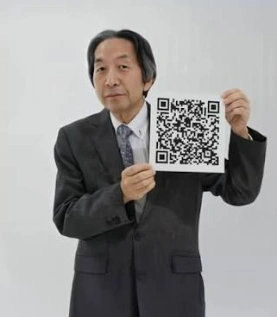
Masahiro Hara and the Birth of QR Codes
Masahiro Hara and the Birth of QR Codes: The Innovation That Changed Digital Communication
Masahiro Hara and the Birth of QR Codes | In today’s digital world, QR codes are everywhere. They appear on restaurant menus, product packaging, event tickets, payment systems, advertisements, and even business cards. With a simple smartphone scan, users can instantly access websites, make payments, download apps, or retrieve important information. While billions of people use QR codes every day, few know the story behind their invention.
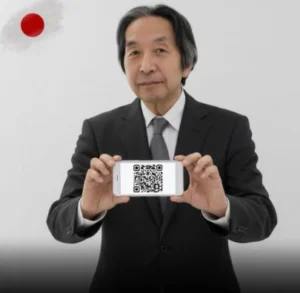
The creator of this revolutionary technology is Masahiro Hara, a Japanese engineer whose innovative thinking transformed the way information is stored and shared. His invention, the Quick Response (QR) Code, has become one of the most influential technologies of the digital age.
Who Is Masahiro Hara?
Masahiro Hara is a Japanese engineer best known as the inventor of the QR Code. During the early 1990s, he worked for Denso Wave, a subsidiary of the Toyota Group specializing in automatic identification and data capture technologies.
At the time, the automotive industry relied heavily on traditional barcodes to track components throughout manufacturing. However, barcodes had significant limitations. They stored only a small amount of information and required precise alignment during scanning, making the process slower and less efficient.
Recognizing these challenges, Hara sought to create a faster, more powerful solution that could improve industrial operations.
The Problem with Traditional Barcodes
Before QR codes existed, one-dimensional barcodes were the industry standard. Although useful, they suffered from several disadvantages:
- Limited data storage capacity.
- Slow scanning speed.
- Difficulty reading damaged labels.
- Need for precise scanner positioning.
- Inefficient handling of complex manufacturing processes.
As Toyota’s production lines became increasingly sophisticated, these limitations created bottlenecks that affected efficiency.
Masahiro Hara believed there had to be a better way.
The Birth of the QR Code
In 1994, after extensive research and experimentation, Masahiro Hara and his development team introduced the Quick Response Code, better known as the QR Code.
Unlike traditional barcodes, QR codes store information in two dimensions—both horizontally and vertically. This innovation dramatically increased the amount of data that could be encoded within a small square.
One of the most distinctive features of QR codes is the three large squares positioned in the corners. These finder patterns allow scanners to instantly detect the code’s orientation, enabling rapid and accurate scanning from virtually any angle.
The result was a revolutionary system that could be scanned significantly faster than conventional barcodes.
Why Is It Called a “Quick Response” Code?
The name “Quick Response” reflects the technology’s primary advantage: speed.
Hara designed the code so scanners could identify and decode information almost instantly, reducing delays on production lines. The faster response time greatly improved inventory management and manufacturing efficiency.
This speed later became one of the reasons QR codes gained widespread adoption across numerous industries.
Revolutionary Features of QR Codes
The QR Code introduced several innovations that set it apart from traditional barcode technology.
1. Massive Data Capacity
A QR code can store thousands of characters, far exceeding the capacity of conventional barcodes.
2. Fast Scanning
Scanners can recognize QR codes almost instantly from multiple directions.
3. Error Correction
Built-in error correction technology allows QR codes to remain readable even if up to 30% of the code is damaged or obscured.
4. Compact Design
Large amounts of information fit within a relatively small printed area.
5. Multiple Data Types
QR codes can contain:
- URLs
- Contact information
- Text
- Wi-Fi credentials
- Payment details
- GPS locations
- Product information
- Event tickets
Open Technology That Changed the World
One of the most remarkable decisions made by Denso Wave was not aggressively enforcing patent licensing for QR code usage.
Although the company patented the technology, it allowed businesses and developers to use QR codes freely.
This open approach accelerated global adoption and encouraged innovation across industries, helping QR codes become an international standard.
QR Codes Beyond Manufacturing
Although originally developed for automotive manufacturing, QR codes soon expanded into countless industries.
Today they are commonly used in:
- Digital payments
- Mobile banking
- Marketing campaigns
- Retail inventory systems
- Healthcare
- Transportation
- Education
- Tourism
- Restaurant menus
- Event management
- Product authentication
The COVID-19 pandemic further accelerated QR code adoption as businesses sought contactless solutions for menus, payments, and customer interactions.
The Global Impact of Masahiro Hara’s Invention
Masahiro Hara’s invention has fundamentally transformed how people interact with information.
Today, billions of QR code scans occur every month around the world. Smartphones have eliminated the need for dedicated scanners, allowing virtually anyone to access digital content within seconds.
From paying for coffee to checking into flights, QR codes have become an invisible yet essential part of everyday life.
Awards and Recognition
Although Masahiro Hara is not widely known outside engineering circles, his work has earned significant recognition.
His invention has received numerous technology awards and has been praised for its simplicity, efficiency, and lasting global impact.
Many experts consider the QR Code one of the most influential identification technologies since the invention of the barcode.
Legacy of Innovation
Masahiro Hara demonstrated that solving a practical industrial problem can lead to innovations with worldwide significance.
What began as a tool for tracking automotive components has evolved into a universal gateway connecting the physical and digital worlds.
As digital transformation continues, QR codes remain an essential technology powering smart cities, cashless payments, authentication systems, and the Internet of Things (IoT).
The story of Masahiro Hara and the Birth of QR Codes is a remarkable example of how innovative engineering can reshape everyday life. By addressing the shortcomings of traditional barcodes, Hara created a technology that now supports commerce, communication, healthcare, transportation, and countless other industries worldwide.
More than three decades after its invention, the QR Code continues to evolve, proving that one simple idea can have an extraordinary global impact. Every time someone scans a QR code, they are using a technology born from Masahiro Hara’s vision of making information faster, smarter, and more accessible.
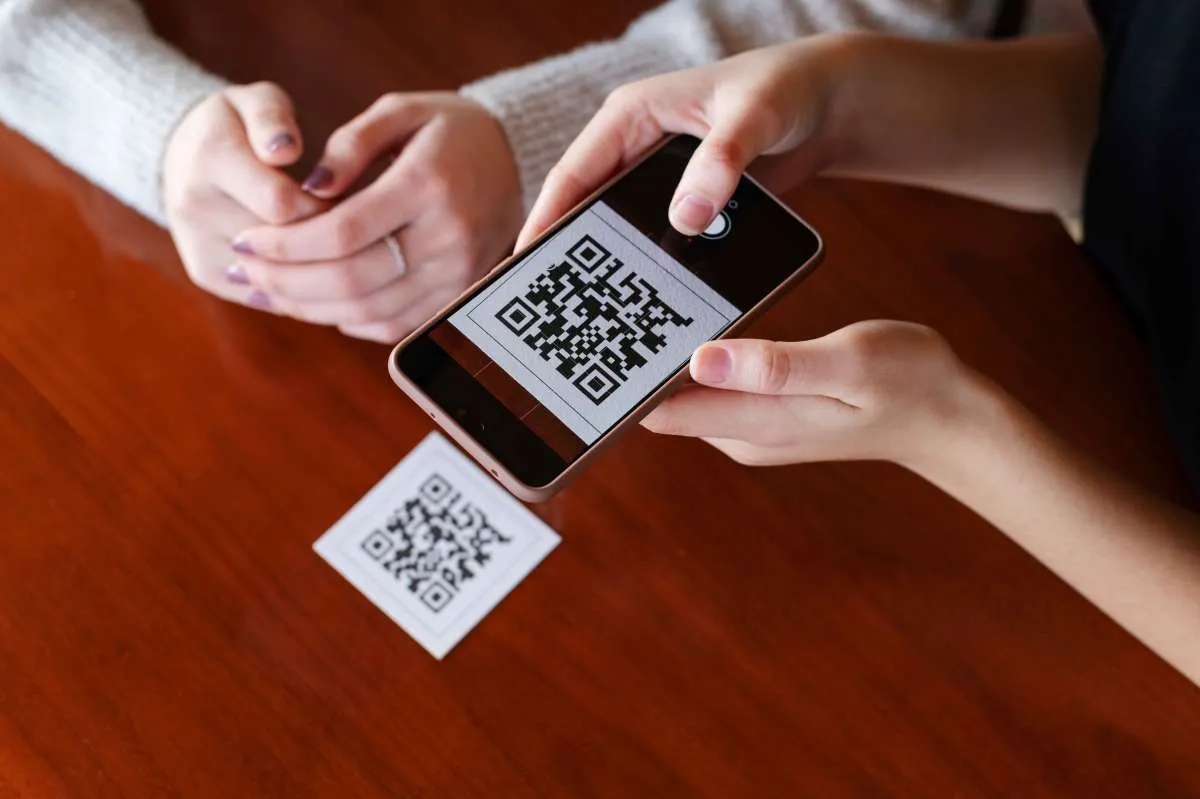
QR Code: A Simple Technology That Changed the Way
QR Code: A Simple Technology That Changed the Way We Connect – QR codes are everywhere today. From restaurant menus and payment systems to product packaging and event tickets, these small black-and-white squares have quietly become part of everyday life. What makes QR codes special is their simplicity. With just a smartphone, people can instantly access information, services, and digital experiences.
QR codes may look basic, but their impact on modern communication is huge.
What Is a QR Code?
QR stands for “Quick Response.” A QR code is a two-dimensional barcode that stores information such as a website link, contact details, payment data, or text.
Unlike traditional barcodes, QR codes can hold much more data and can be scanned from any direction. This makes them fast, flexible, and easy to use in both personal and business settings.
How QR Codes Became Popular
QR codes were created in the 1990s, but they did not become widely popular until smartphones became common. Once phone cameras and scanning apps improved, QR codes became practical for everyday use.
The global shift toward contactless interactions also boosted their adoption. People needed quick, touch-free ways to access information, and QR codes offered a perfect solution.
Sometimes, simple technology just needs the right moment to shine.
Why QR Codes Are So Convenient
One of the biggest advantages of QR codes is convenience. Users do not need to type long URLs or search for information manually. A quick scan delivers instant results.
For businesses, QR codes reduce friction. Customers can easily access menus, promotions, product details, or payment options without extra steps.
This ease of use improves user experience and saves time for everyone.
Common Uses of QR Codes Today
QR codes are incredibly versatile. Some of the most common uses include:
Restaurant menus and ordering systems
Mobile payments and digital wallets
Event tickets and check-ins
Product information and packaging
Marketing campaigns and promotions
Contact information and social media links
Their flexibility allows them to fit almost any industry.
QR Codes in Business and Marketing
In marketing, QR codes act as a bridge between the physical and digital worlds. A printed poster or flyer can instantly lead customers to a website, video, or special offer.
Marketers love QR codes because they are easy to track. Scans can be measured, analyzed, and optimized for better results.
This makes QR codes a powerful yet low-cost marketing tool.
Improving Customer Experience with QR Codes
QR codes help businesses create smoother customer journeys. For example, customers can scan a code to access FAQs, support pages, or feedback forms.
This reduces waiting time and improves satisfaction. When customers feel that things are easy and efficient, they are more likely to return.
Good experiences build trust and loyalty.
QR Codes and Contactless Payments
One of the biggest roles of QR codes today is in digital payments. QR-based payments are fast, secure, and widely accepted in many countries.
Customers can pay without cash or physical cards, while businesses can accept payments without expensive hardware.
This simplicity makes QR codes ideal for small businesses and large enterprises alike.
Security and Trust in QR Code Usage
Like any technology, QR codes require responsible use. Scanning unknown codes can lead to unsafe websites if users are not careful.
Businesses should always use trusted platforms and clear branding. When QR codes are transparent and well-labeled, users feel safer scanning them.
Education and awareness help maintain trust in QR technology.
Custom QR Codes and Branding
Modern QR codes are no longer limited to black and white squares. Businesses can customize colors, add logos, and design QR codes that match their brand identity.
Custom QR codes not only look better but also attract more scans. Visual appeal plays an important role in user engagement.
A well-designed QR code feels more professional and trustworthy.
QR Codes in Everyday Life
Beyond business, QR codes are used in daily activities. People use them to share Wi-Fi access, save contact details, or access personal portfolios.
They simplify small tasks and reduce the need for manual input. In many ways, QR codes quietly make daily life more efficient.
Their usefulness often goes unnoticed because they work so smoothly.
The Future of QR Codes
QR codes continue to evolve. Integration with analytics, personalization, and dynamic content makes them even more powerful.
As technology advances, QR codes may connect with augmented reality, smart devices, and deeper digital experiences.
What started as a simple barcode has become a flexible tool with endless possibilities.
Why QR Codes Are Here to Stay
QR codes succeed because they solve real problems in a simple way. They are affordable, easy to create, and easy to use.
In a world that values speed and convenience, QR codes fit perfectly. They require no learning curve and work across devices and platforms.
This simplicity is their greatest strength.
Final Thoughts
QR codes may seem small, but their impact on modern life is significant. They connect physical spaces with digital content, improve customer experiences, and support contactless interactions.
As businesses and individuals continue to embrace simplicity and efficiency, QR codes will remain a reliable and valuable tool.
Sometimes, the smartest technology is the one that makes life easier without asking for attention. QR codes do exactly that.