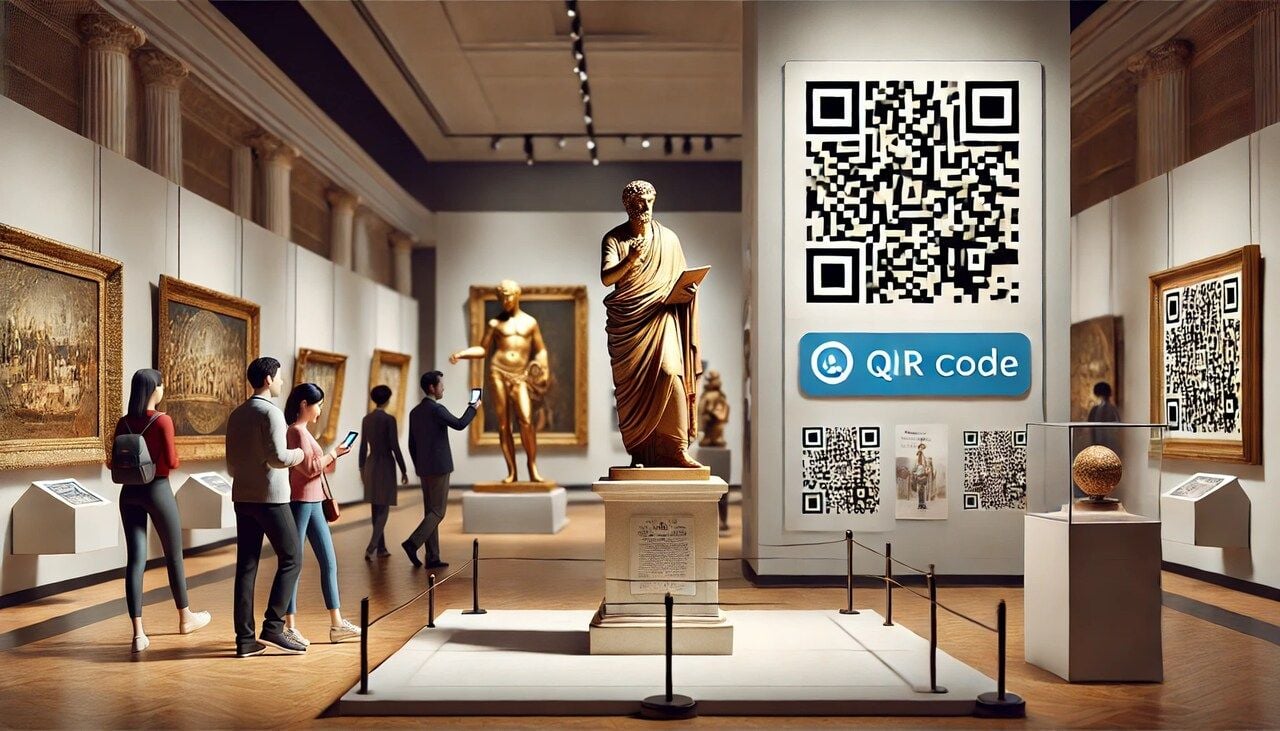
How QR Codes are Being Used in Museums and Art Exhibitions

The Role of QR Codes in Digital Ticketing and Events
The Role of QR Codes in Digital Ticketing and Events – In today’s fast-paced digital world, attending events has evolved far beyond paper tickets and long queues. The introduction of QR codes in digital ticketing has transformed the way organizers and attendees experience events. Whether it’s a concert, sports game, conference, or festival, QR codes have become a vital part of modern event management. Their simplicity, efficiency, and versatility make them an indispensable tool for both event organizers and ticket holders.
How QR Codes Simplify Ticketing
One of the most obvious benefits of QR codes is their ability to streamline ticketing. Instead of printing physical tickets or mailing them, organizers can generate QR codes for each attendee. These codes contain all the necessary information about the ticket, including the event details, seating, and validity. Attendees can receive these codes directly on their smartphones via email or an app, reducing the risk of lost or forgotten tickets.
This approach not only saves paper and printing costs but also speeds up entry at events. Attendees simply scan their QR code at the entrance, and the system instantly verifies their ticket. This method eliminates the traditional bottlenecks associated with physical ticket checks and ensures a smoother experience for everyone involved.
Enhancing Security and Reducing Fraud
Security is a major concern in the event industry, especially for high-demand events. QR codes help tackle these issues effectively. Each QR code is unique and can be encrypted, making it difficult to duplicate or forge. Digital ticketing platforms can instantly detect invalid or duplicate codes, ensuring that only legitimate ticket holders gain access.
Moreover, organizers can update ticket information in real time. If an attendee’s ticket is compromised or needs to be transferred, the system can manage these changes quickly and safely. This level of security is much harder to achieve with traditional paper tickets.
Personalized Experiences for Attendees
Beyond convenience and security, QR codes also allow for more personalized experiences. Event organizers can link QR codes to attendee profiles, offering tailored recommendations, special promotions, or VIP perks. For example, a music festival might provide exclusive backstage access to certain ticket holders or notify attendees about nearby activities based on their preferences.
This personalization enhances the overall attendee experience, making events feel more engaging and memorable. It also provides organizers with valuable insights about their audience, allowing them to refine future events.
Integration with Digital Platforms
QR codes are extremely versatile when it comes to integration with digital platforms. Ticketing systems can link QR codes to apps, websites, or social media channels. Attendees can check schedules, interact with other participants, or even redeem rewards using the same QR code that grants entry. This seamless integration transforms a simple ticket into a gateway for a broader digital experience.
Furthermore, event organizers can track attendance patterns, monitor engagement, and gather data to improve operational efficiency. By combining QR codes with analytics, organizers gain a comprehensive view of their events, from entry times to attendee behavior, helping them make data-driven decisions.
Sustainability and Environmental Impact
Another important advantage of QR code ticketing is its positive environmental impact. Traditional paper tickets contribute to waste and require significant resources to produce. By switching to digital QR codes, events can drastically reduce their paper usage and carbon footprint. This aligns with growing sustainability trends and appeals to eco-conscious attendees who value environmentally responsible practices.
The Future of Event Ticketing
As technology continues to advance, QR codes are expected to play an even bigger role in the event industry. Emerging innovations such as dynamic QR codes, contactless check-ins, and integration with blockchain for secure ticketing are shaping the future of events. These developments promise even greater convenience, security, and personalization for attendees while providing organizers with powerful tools to manage events efficiently.
Events are no longer just about the venue or performance; they are about creating a seamless, memorable experience. QR codes are at the heart of this transformation, bridging the gap between physical and digital worlds. From reducing queues to offering personalized perks, QR codes have proven themselves as an essential part of modern event management.
Conclusion
QR codes have revolutionized digital ticketing and event experiences. Their ability to simplify entry, enhance security, personalize experiences, and integrate with digital platforms makes them indispensable in today’s event landscape. Beyond operational efficiency, QR codes also support sustainability and offer the potential for future innovations that will further transform how we attend and enjoy events.
For anyone involved in event management, embracing QR code technology isn’t just an option—it’s becoming a necessity. As more events go digital, QR codes will continue to define the standard for convenience, security, and memorable attendee experiences.

The Hidden Benefits of QR Codes for Small Businesses
The Hidden Benefits of QR Codes for Small Businesses – In today’s fast-moving digital world, small businesses are constantly looking for simple ways to stand out. While many focus on social media ads or complex marketing funnels, one powerful tool is often overlooked: QR codes. Once seen as a passing trend, QR codes are now a practical and cost-effective marketing asset for small brands that want to connect offline and online effortlessly.
From local cafés to home service providers, QR codes are helping businesses improve customer engagement, increase sales, and streamline operations without large budgets. With smartphones becoming an essential part of daily life, QR codes create a direct bridge between printed materials and digital experiences.
In this article, we’ll explore the hidden benefits of QR codes for small businesses and why they deserve a place in your marketing strategy.
Why QR Codes Are More Relevant Than Ever
QR codes gained mainstream attention during the pandemic when contactless interactions became essential. Platforms like PayPal, Shopify, and Instagram began integrating QR functionality into their systems. As a result, consumers became more comfortable scanning codes for payments, menus, promotions, and product information.
Today, most smartphone cameras automatically recognize QR codes without requiring third-party apps. This convenience has removed previous barriers and made QR codes accessible to almost everyone.
For small businesses, this shift represents a major opportunity. Instead of investing heavily in custom apps or expensive advertising campaigns, business owners can leverage QR codes as a low-cost digital gateway.
Connecting Offline Marketing to Online Growth
One of the hidden strengths of QR codes is their ability to connect physical marketing materials to digital platforms instantly.
Imagine placing a QR code on:
Business cards
Flyers
Product packaging
Storefront windows
Event banners
When customers scan the code, they can be directed to your website, booking page, special discount, or social media profile. This transforms traditional print marketing into an interactive experience.
For example, a local boutique could link its QR code directly to its online store hosted on Shopify. A restaurant might connect customers to its reservation system or delivery page. A consultant could send potential clients to a scheduling form or portfolio.
This seamless transition from offline to online reduces friction and increases the likelihood of conversion.
Boosting Local SEO and Online Visibility
Small businesses often rely heavily on local customers. QR codes can support local SEO efforts by directing customers to leave reviews or engage with business listings.
A QR code printed on a receipt could lead directly to a Google review page. More reviews mean stronger local search visibility. Similarly, linking QR codes to your Instagram or Facebook profiles encourages followers, shares, and user-generated content.
Over time, these signals strengthen your online presence, making it easier for new customers to discover your business through search engines.
Enhancing Customer Experience Without Extra Costs
Customer experience plays a critical role in small business success. QR codes allow you to enhance that experience without increasing operational complexity.
For example, instead of printing lengthy instruction manuals, a small electronics seller can include a QR code that links to a short tutorial video. A fitness coach can place QR codes on posters that lead to free workout guides or sign-up forms.
This approach reduces printing costs while delivering richer content. It also makes your brand appear modern and responsive.
Contactless Payments and Faster Transactions
Another major advantage is the ability to accept digital payments easily. Payment systems integrated with QR codes, including those from PayPal, allow small businesses to receive payments quickly and securely.
For small vendors at markets or pop-up events, QR payments eliminate the need for bulky card machines. Customers simply scan, pay, and go. Faster transactions improve efficiency and reduce waiting times, which directly impacts customer satisfaction.
In many cases, adopting QR payment systems is cheaper than traditional point-of-sale equipment, making it an attractive solution for startups.
Driving Promotions and Limited-Time Offers
QR codes are excellent tools for marketing campaigns. Because they can be updated dynamically, businesses can change the destination link without reprinting the code.
This flexibility allows you to run limited-time promotions, seasonal discounts, or exclusive content campaigns. A QR code printed months ago can still remain relevant by redirecting users to updated offers.
For example, a bakery could use one QR code on packaging throughout the year. During holidays, it might direct customers to festive promotions. During slower months, it could promote loyalty programs or bundle deals.
This adaptability makes QR codes a long-term marketing asset rather than a one-time tactic.
Collecting Valuable Customer Data
Understanding customer behavior is essential for growth. Many QR code generators provide analytics that track how often codes are scanned, when they are scanned, and sometimes even where.
This data helps small businesses refine their strategies. If a code on a storefront window receives many scans in the evening, it might indicate strong after-hours interest. If a flyer QR code performs poorly, it may suggest the need for better placement or messaging.
When integrated with platforms like Google Analytics, QR traffic can be monitored alongside website performance metrics. This gives business owners deeper insight into customer journeys and marketing ROI.
Strengthening Brand Image and Trust
Using QR codes strategically can also elevate brand perception. A well-designed code that leads to helpful content demonstrates professionalism and convenience.
For example, linking to customer testimonials, certifications, or behind-the-scenes videos can build trust. Transparency is especially important for small businesses competing with larger brands.
When customers see that a business embraces practical digital tools, it signals innovation and reliability. This can influence purchasing decisions more than many realize.
Supporting Sustainability Efforts
Sustainability is becoming increasingly important to consumers. QR codes can reduce the need for printed brochures, catalogs, and menus. Instead of distributing stacks of paper, businesses can provide a single QR code that gives access to constantly updated digital information.
This not only cuts costs but also supports eco-friendly practices. Promoting this effort can further enhance brand reputation, especially among environmentally conscious customers.
Simple Implementation With High Impact
One of the most appealing aspects of QR codes is how easy they are to implement. Generating a code takes only minutes, and printing it requires minimal design adjustments.
Even small businesses with limited technical knowledge can create and manage QR campaigns. The return on investment can be significant compared to traditional advertising methods that require ongoing budgets.
Consistency is key. Place QR codes where they naturally fit into the customer journey. Avoid clutter, and clearly explain what customers will gain by scanning.
Final Thoughts
QR codes may appear simple, but their hidden benefits for small businesses are substantial. They connect offline and online marketing, enhance customer experience, reduce costs, and provide valuable insights into customer behavior.
In a competitive market, small improvements can lead to meaningful growth. QR codes offer a practical, affordable way to modernize your business without overwhelming complexity.

The Future of Advertising with Dynamic QR Codes
The Future of Advertising with Dynamic QR Codes – Advertising has changed more in the last decade than in the previous fifty years. Consumers are no longer passive viewers. They scroll, skip, swipe, and expect instant value. In this fast-moving digital environment, brands are constantly searching for smarter ways to connect offline and online experiences. One technology quietly transforming the landscape is dynamic QR codes.
Dynamic QR codes are no longer just black-and-white squares printed on packaging. They have evolved into powerful marketing tools that help businesses track, update, and optimize campaigns in real time. As the future of advertising becomes increasingly data-driven and personalized, dynamic QR codes are positioned to play a central role.
Why Dynamic QR Codes Matter in Modern Marketing
Traditional advertising often struggles with measurement. A billboard might generate awareness, but how many people actually take action? A flyer may reach thousands, but there is little insight into engagement. This is where dynamic QR codes change the game.
Unlike static QR codes, dynamic QR codes allow marketers to edit the destination URL without reprinting the code. This flexibility means campaigns can be adjusted instantly. If a landing page changes, a promotion ends, or a new offer launches, the same QR code can redirect users to updated content.
For SEO-focused PBN strategies, this flexibility is even more valuable. Marketers can test multiple landing pages, track performance, and refine content based on real engagement data. Instead of guessing what works, businesses can make informed decisions backed by analytics.
Real-Time Tracking and Performance Insights
One of the biggest advantages of dynamic QR codes in advertising is tracking capability. Every scan can provide insights such as location, device type, time of scan, and number of interactions. This transforms offline marketing into measurable digital traffic.
For example, a brand running a print ad campaign can monitor which city generates the most scans. If one region outperforms another, budget allocation can be adjusted accordingly. This data-driven approach aligns perfectly with modern digital marketing strategies focused on ROI.
From an SEO perspective, dynamic QR codes can drive highly targeted traffic to optimized landing pages. When combined with keyword-rich content and strategic internal linking within a PBN network, this traffic can strengthen engagement metrics such as time on site and bounce rate.
Bridging Offline and Online Advertising
The future of advertising lies in seamless integration between physical and digital touchpoints. Consumers might see a product in a store, scan a QR code, and instantly access reviews, tutorials, or special offers.
Dynamic QR codes act as a bridge between these two worlds. They connect printed materials, packaging, posters, and even event banners to digital assets like landing pages, e-commerce stores, and promotional campaigns.
This connection is especially powerful for local businesses. A restaurant can place a dynamic QR code on its storefront, linking customers to updated menus, seasonal promotions, or reservation systems. Instead of printing new materials every time something changes, the business simply updates the destination link.
For PBN-driven campaigns, dynamic QR codes can funnel offline traffic directly into strategically optimized content hubs. This creates additional entry points to your digital ecosystem, increasing overall domain authority and engagement.
Personalization and Customer Experience
Consumers today expect personalized experiences. Generic advertising often fails to capture attention. Dynamic QR codes enable segmentation and personalization in ways traditional media cannot.
By using different dynamic QR codes for different campaigns, locations, or customer segments, businesses can deliver tailored content. For example, a fashion brand might use separate codes for men’s and women’s collections, each leading to a customized landing page.
Personalization increases conversion rates because users feel the content is relevant to their needs. When integrated with retargeting strategies and SEO-optimized content, this approach can significantly improve overall marketing performance.
Dynamic QR codes can also support multilingual campaigns. A single code can detect a user’s location and redirect them to a localized version of a website. This enhances user experience and supports international SEO strategies without creating confusion.
The Role of Dynamic QR Codes in Data-Driven Advertising
Advertising in the future will be dominated by data. Brands that understand their audience will outperform those that rely on assumptions. Dynamic QR codes provide a simple yet powerful way to gather actionable data from offline interactions.
When someone scans a code, they are demonstrating intent. This is not passive exposure; it is active engagement. Capturing this intent allows businesses to refine messaging, improve offers, and optimize user journeys.
For PBN-focused strategies, this data can inform content creation. If a certain campaign generates high scan rates but low conversions, it may indicate that the landing page needs better keyword alignment or clearer calls to action. Continuous optimization strengthens both user experience and search engine performance.
Dynamic QR codes also support A/B testing. Marketers can run multiple versions of a landing page and switch the destination link without changing the printed material. This flexibility reduces costs while increasing campaign effectiveness.
Enhancing Omnichannel Marketing
Omnichannel marketing is no longer optional. Customers interact with brands across social media, websites, email, and physical locations. Dynamic QR codes fit naturally into this ecosystem.
A consumer might discover a product through a social media ad, see it again in a retail store, and scan a QR code for a discount. Each interaction builds familiarity and trust. Dynamic QR codes ensure that every touchpoint connects to a cohesive digital strategy.
From an SEO standpoint, increased brand searches and direct traffic generated by QR campaigns can positively influence search visibility. When users engage consistently across channels, search engines interpret this as a signal of relevance and authority.
For businesses building private blog networks, dynamic QR codes can support cross-promotion strategies. Offline materials can drive traffic to content-rich articles within the network, strengthening internal linking structures and boosting organic growth.
Security and Trust in QR Code Advertising
As QR codes become more common, trust becomes essential. Users must feel confident that scanning a code is safe. Dynamic QR code platforms often include secure redirection, encrypted links, and brand customization options.
Branded QR codes with logos and consistent design elements increase credibility. When users recognize a brand’s visual identity, they are more likely to scan without hesitation.
Building trust also supports long-term SEO performance. Positive user experiences reduce bounce rates and encourage repeat visits. When users consistently find value after scanning a code, they develop stronger brand loyalty.
In the future, we can expect even more advanced security features integrated into dynamic QR code systems. This will further strengthen their role in professional advertising strategies.
The Evolution of Consumer Behavior
The widespread adoption of smartphones has made QR scanning effortless. What was once considered a novelty is now part of everyday behavior. Restaurants use QR codes for menus, events use them for tickets, and retailers use them for promotions.
This normalization means consumers are comfortable interacting with QR-based content. As augmented reality, mobile payments, and interactive experiences become more common, dynamic QR codes will likely serve as gateways to these advanced features.
For advertisers, this presents a huge opportunity. Instead of competing solely in crowded digital ad spaces, brands can create interactive offline experiences that seamlessly lead to online engagement.
When paired with well-optimized landing pages and strategic PBN support, dynamic QR codes can generate consistent, high-quality traffic. This synergy between offline interaction and online authority building represents a powerful shift in advertising strategy.
Looking Ahead: The Next Phase of QR Code Marketing
The future of advertising with dynamic QR codes is about adaptability. Markets change quickly. Consumer preferences evolve. Campaigns must be flexible and measurable.
Dynamic QR codes offer exactly that. They allow instant updates, real-time tracking, personalized experiences, and seamless integration across channels. As businesses focus more on measurable performance and ROI, these features will become essential rather than optional.
For marketers investing in SEO and PBN strategies, dynamic QR codes add another layer of control. They turn physical marketing materials into data-driven assets that support digital growth.
In the coming years, we can expect deeper integration between QR code technology and marketing automation platforms. This will enable even more sophisticated targeting, segmentation, and conversion tracking.
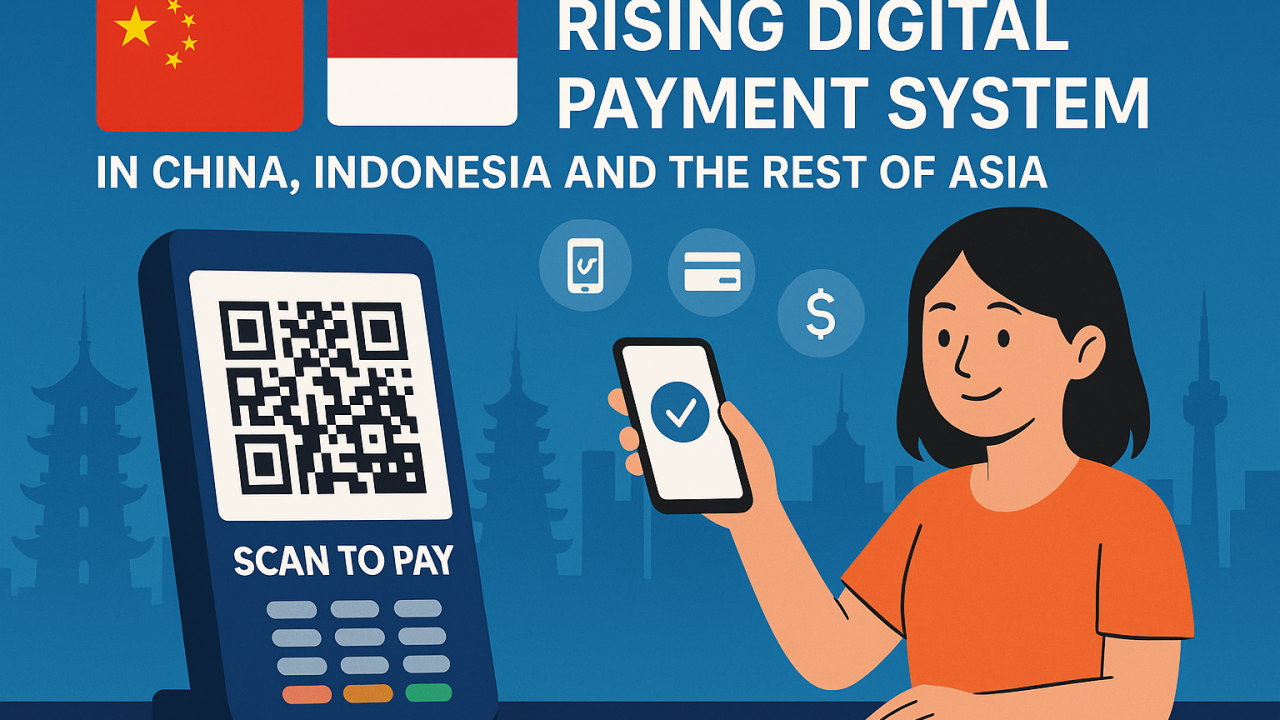
QR Code Adoption for Businesses in Indonesia
QR Code Adoption for Businesses in Indonesia – The way Indonesian businesses accept payments and connect with customers has changed dramatically in the last few years. One of the biggest drivers of this shift is QR code adoption. From street food vendors in small towns to large retail chains in Jakarta, QR codes have become a familiar sight across the country. This rapid growth is closely tied to the rise of digital wallets, mobile banking, and government-backed initiatives that promote cashless transactions.
In a market as dynamic as Indonesia, businesses are always looking for simple and cost-effective ways to improve operations. QR codes answer that need. They are easy to implement, affordable, and flexible enough to support payments, promotions, loyalty programs, and customer engagement. As more consumers rely on smartphones for daily transactions, QR code usage continues to expand at a steady pace.
The Role of Bank Indonesia and QRIS
A major factor behind the widespread use of QR codes in Indonesia is the introduction of QRIS by Bank Indonesia. QRIS, short for Quick Response Code Indonesian Standard, was launched to standardize QR code payments across different banks and e-wallet providers. Before QRIS, merchants often had to display multiple QR codes for different payment apps. This created confusion and inefficiency.
With QRIS, businesses only need one QR code that can be scanned by various mobile banking apps and digital wallets. This single standard simplifies transactions and reduces operational complexity. It also builds trust among consumers, as they know the system is regulated and supervised by the central bank.
For small and medium-sized enterprises, QRIS has lowered the barrier to entry into digital payments. Registering for QRIS is relatively straightforward, and transaction fees are generally competitive compared to traditional card payment systems. As a result, many micro and small businesses have joined the cashless ecosystem.
Why Indonesian Businesses Are Embracing QR Codes
The growth of QR code adoption in Indonesia is not just about following a trend. It is driven by real business advantages that directly impact revenue and customer satisfaction.
First, cost efficiency plays a significant role. Traditional point-of-sale systems and card machines can be expensive, especially for small merchants. QR codes, on the other hand, only require a printed code and a connected bank account or e-wallet. This makes them ideal for small shops, food stalls, home-based businesses, and even temporary event booths.
Second, speed and convenience matter. Indonesian consumers are increasingly comfortable using smartphones for payments. Scanning a QR code takes only a few seconds, and transactions are completed instantly. This reduces queues, speeds up service, and improves the overall customer experience.
Third, digital records are a valuable benefit. Every QR payment generates a transaction history that can be used for bookkeeping and financial management. For small business owners who previously relied on manual records, this digital trail provides better visibility into cash flow and sales performance.
Digital Wallet Growth and Consumer Behavior
The rise of digital wallets has strongly influenced QR code adoption. Platforms such as GoPay, OVO, and DANA have invested heavily in promotions, cashback offers, and partnerships with merchants. These campaigns encourage users to pay with QR codes instead of cash.
Consumers are also drawn to the practicality of mobile payments. Many Indonesians prefer carrying their phones rather than large amounts of cash. In urban areas especially, paying with a QR code has become part of everyday life, whether for coffee, transportation, groceries, or online-to-offline purchases.
As digital literacy improves and internet access expands, QR code usage continues to grow beyond major cities. Small towns and rural areas are gradually catching up, supported by government programs and fintech outreach.
QR Codes Beyond Payments
Although payments are the most visible use case, QR codes offer much more for businesses in Indonesia. Smart companies are using them as marketing and engagement tools.
Marketing, Loyalty, and Customer Engagement
QR codes can link directly to websites, social media pages, or promotional campaigns. For example, a restaurant can place a QR code on tables that leads to an online menu, a discount coupon, or a feedback form. This reduces printing costs and allows quick updates without reprinting materials.
Retailers can use QR codes for loyalty programs. Instead of physical membership cards, customers can scan a code to collect points or redeem rewards. This approach is both environmentally friendly and convenient.
Businesses also use QR codes on product packaging to provide additional information, such as tutorials, ingredient lists, or brand stories. This adds value to the customer experience and helps build stronger brand loyalty.
Impact on SMEs and Local Entrepreneurs
Small and medium-sized enterprises form the backbone of Indonesia’s economy. For many of these businesses, adopting QR codes has been a turning point.
In traditional markets, it is now common to see vendors displaying QRIS codes next to their products. This not only attracts younger customers but also builds a modern brand image. Customers who do not carry cash can still make purchases, which reduces lost sales opportunities.
For home-based businesses and online sellers, QR codes simplify remote transactions. Sellers can share their QR code via messaging apps, and buyers can complete payments instantly. This is particularly useful in social commerce, where transactions often happen through chat-based platforms.
Financial inclusion is another important outcome. By accepting QR payments, micro businesses become part of the formal financial system. They build transaction histories that may help them access loans and other financial services in the future.
Challenges in QR Code Adoption
Despite its rapid growth, QR code adoption in Indonesia still faces several challenges. One of the main issues is internet connectivity. In remote areas, unstable connections can disrupt transactions and create frustration for both merchants and customers.
Another challenge is digital literacy. While many Indonesians are tech-savvy, some older business owners and customers may find mobile payments intimidating. Continuous education and user-friendly apps are essential to ensure broader adoption.
Security concerns also play a role. Fake QR codes and phishing attempts can undermine trust if not addressed properly. Businesses must ensure that they use official QRIS codes and educate customers about safe payment practices.
The Future of QR Code Adoption in Indonesia
Looking ahead, QR codes are likely to remain a central part of Indonesia’s digital economy. As smartphone penetration increases and fintech innovation continues, QR-based systems will become even more integrated into daily transactions.
Cross-border QR payments are also emerging as a new opportunity. Indonesia has been working on linking its QR payment system with other countries in Southeast Asia. This could benefit tourism and international trade, making transactions easier for foreign visitors.
Beyond payments, we can expect deeper integration with data analytics and customer relationship management tools. Businesses will be able to track purchasing patterns, design targeted promotions, and personalize offers based on customer behavior.

Ancient Royal Symbols as Early QR Codes

QR codes for fast digital access
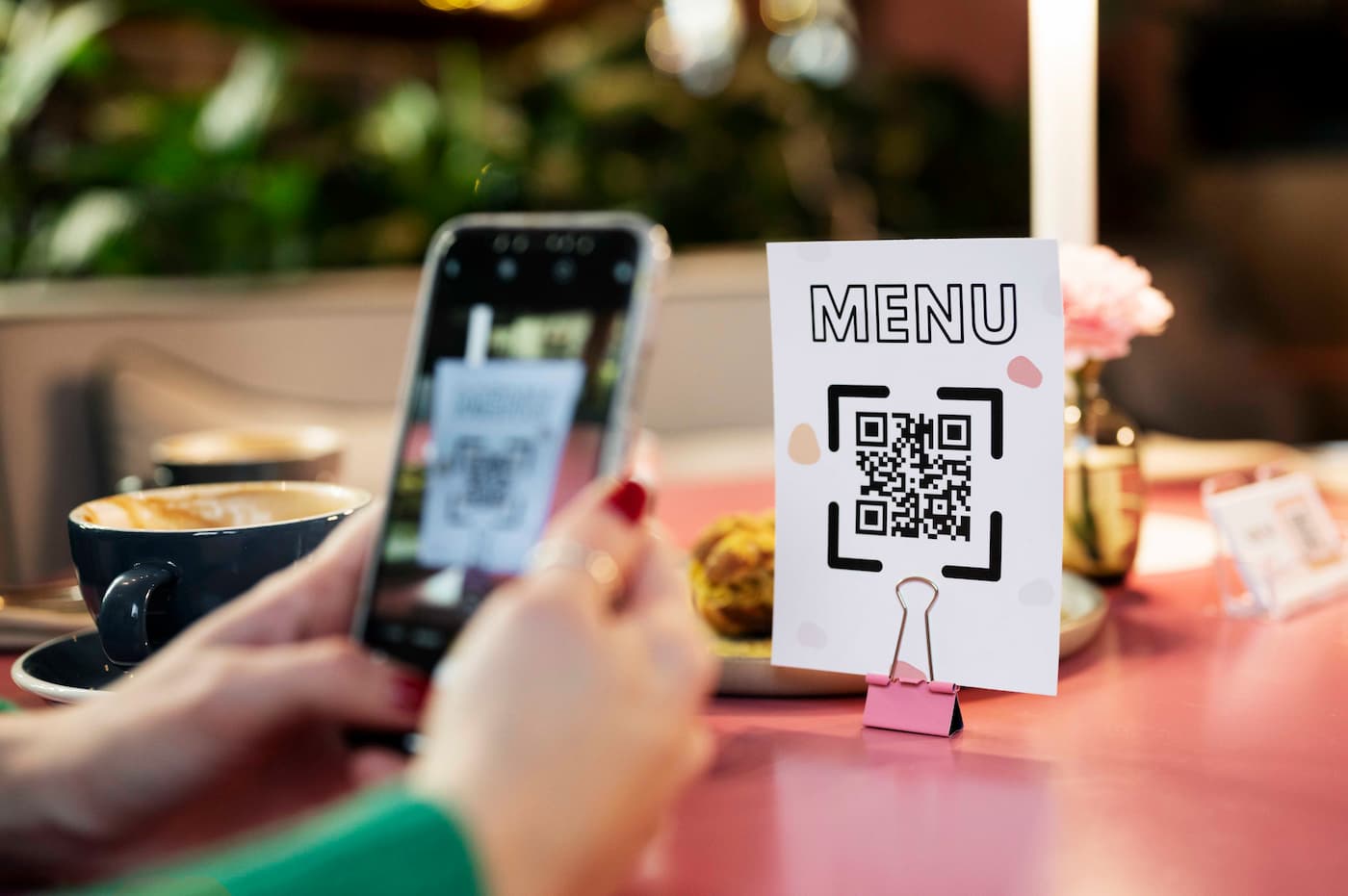
QR Code for Restaurants and Retail
Scan This QR Code If You Dare
Scan This QR Code If You Dare – The phrase “Scan This QR Code If You Dare” instantly triggers curiosity. It feels like a challenge, a digital whisper daring you to cross a line you can’t quite see. In a world where QR codes are everywhere, from restaurant menus to street posters, this sentence adds a layer of mystery that makes people stop, stare, and often scan.
But what really happens when someone scans a QR code without knowing what’s behind it? And why has this simple square pattern become such a powerful psychological hook in modern digital culture?
The Rise of QR Codes in Everyday Life
QR codes were once a novelty. Now they are part of daily routines. Payments, promotions, Wi-Fi access, product details, event tickets, and even resumes rely on QR technology. Their convenience is undeniable. A quick scan replaces typing long URLs or searching manually.
As smartphones improved and scanning became automatic through camera apps, QR codes transformed from a niche tool into a mainstream bridge between the physical and digital worlds. This accessibility is exactly what makes them powerful, and sometimes dangerous.
The phrase “Scan This QR Code If You Dare” plays directly into that reality. It assumes the user already knows how easy scanning is, and how hard it is to resist.
Why “If You Dare” Works So Well
Curiosity as a Trigger
Humans are wired to resolve uncertainty. When we see a QR code with a daring message, the brain fills in gaps with imagination. Is it funny? Is it shocking? Is it exclusive? The lack of context becomes the hook.
Unlike standard calls to action that politely ask users to scan, this wording challenges ego and bravery. It implies that not scanning means missing out, or worse, being afraid.
Social Pressure and FOMO
When QR codes appear in public spaces, people don’t scan them in isolation. Others are around. Seeing someone hesitate creates subtle pressure. “If you dare” suggests that confident, curious people scan without fear.
This taps into fear of missing out. What if everyone else knows something you don’t? What if this QR code leads to content meant only for the bold?
The Hidden Risks Behind Random QR Codes
QR Codes Can Hide Malicious Links
A QR code is just a visual shortcut to a URL. Unlike regular links, you can’t see the destination before clicking. This makes QR codes an ideal tool for phishing, malware distribution, and scam pages.
Some QR codes redirect users to fake login pages, payment forms, or sites that automatically download harmful files. The danger increases when the QR code is placed in a trusted environment, like a café, parking meter, or public notice board.
Psychological Tricks Make It Worse
Adding phrases like “Scan This QR Code If You Dare” lowers skepticism. People assume danger is part of the joke, not real. Ironically, that mindset makes them less cautious.
This technique is often used in guerrilla marketing and experimental art projects, but scammers have adopted it as well. The emotional pull overrides rational evaluation.
When “Scan This QR Code If You Dare” Is Used for Good
Not every daring QR code is malicious. Many artists, marketers, and content creators use this phrase creatively and ethically.
Street artists use QR codes to link to hidden galleries, short films, or audio experiences. Brands use them for mystery campaigns, teasing upcoming launches or exclusive content. Bloggers and PBN owners sometimes use daring language to increase engagement and time on page.
In these cases, the phrase acts as a storytelling device. It turns a simple scan into an experience rather than a transaction.
QR Codes and SEO: An Unexpected Connection
Offline to Online Traffic
From an SEO perspective, QR codes are powerful traffic bridges. They bring offline users directly to web pages, increasing direct traffic and brand signals. When combined with intriguing copy like “Scan This QR Code If You Dare,” the click-through rate can spike significantly.
For PBN usage, QR codes can support content distribution, brand mentions, and controlled traffic flow without relying solely on search engines.
User Behavior Signals
When users scan a QR code out of curiosity, they often stay longer on the page. They scroll, read, and explore because they want to justify the risk they took. This improves dwell time and engagement metrics, which indirectly support SEO performance.
However, the landing page must deliver something interesting. If the content feels empty or deceptive, trust is lost immediately.
How to Make QR Code Content Feel Worth the Risk
Deliver Immediate Value
The first few seconds matter. Whether it’s a story, visual, or unexpected insight, the page must reward curiosity instantly. This doesn’t mean shock value. It means relevance and intention.
Keep It Human
Avoid overly promotional language. Pages linked from daring QR codes work best when they feel personal, honest, and slightly raw. People respond better to narrative than sales copy in these situations.
Transparency Builds Trust
Even if the message is playful, clarity matters. Let users know where they are and why they’re there. Mystery should invite, not trap.
The Cultural Impact of QR Code Dares
The popularity of phrases like “Scan This QR Code If You Dare” reflects a broader trend. People crave interaction, surprise, and participation. Passive content is no longer enough.
QR codes turn the audience into actors. Scanning is a choice, a small leap of faith. That moment of decision is powerful, especially in a digital landscape crowded with predictable experiences.
This is why the phrase keeps appearing on stickers, posters, social media images, and experimental campaigns. It turns a silent object into a conversation.
Final Thoughts on Scanning the Unknown
“Scan This QR Code If You Dare” is more than a sentence. It’s a psychological trigger, a marketing tactic, and a reflection of how humans interact with technology today.
Used responsibly, it can spark curiosity, creativity, and meaningful engagement. Used recklessly, it can erode trust and expose users to real risks.
In the end, every scan is a choice. The challenge isn’t whether people dare to scan, but whether the content behind the code deserves that courage.
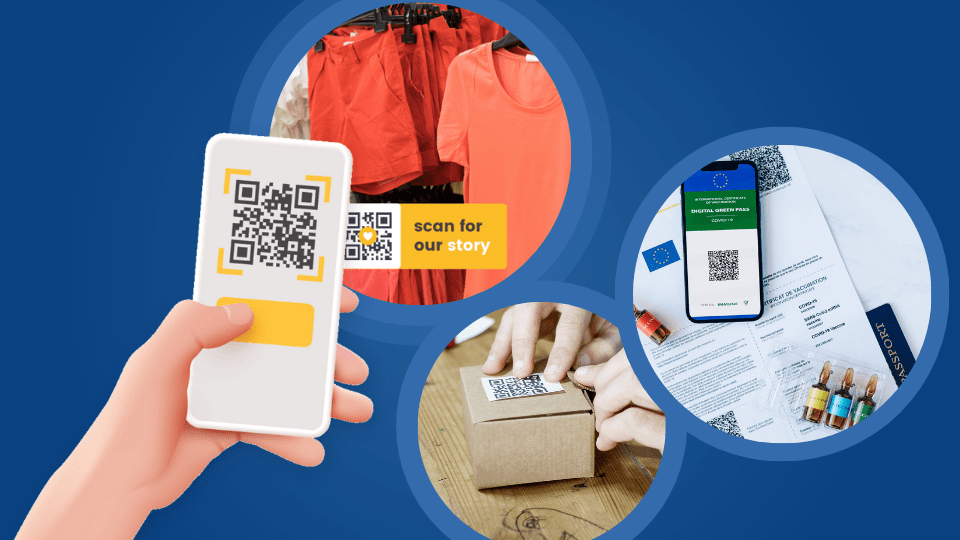
How QR Codes Are Used in Daily Digital Life
How QR Codes Are Used in Daily Digital Life – QR codes have quietly become a part of everyday digital life. What once looked like a strange black-and-white square is now something people scan without thinking twice. From buying coffee to logging into apps, QR codes are everywhere. Their simplicity and speed make them one of the most practical digital tools used today.
As smartphones became more powerful and internet access more stable, QR codes evolved from a niche technology into a daily necessity. They bridge the gap between the physical and digital world in a way that feels natural and effortless.
The Rise of QR Codes in Modern Society
QR codes were originally created to track automotive parts, but their purpose has expanded far beyond that. Today, almost everyone with a smartphone has scanned a QR code at least once. The real turning point came when mobile devices started supporting QR scanning directly from the camera app, removing the need for extra software.
Another major factor behind their popularity is convenience. QR codes eliminate the need to type long URLs, search manually, or install unnecessary apps. With one quick scan, users are instantly connected to information, services, or digital actions.
QR Codes in Everyday Payments
One of the most common uses of QR codes in daily digital life is digital payment. In many countries, QR-based payments have become an alternative to cash and cards. Small businesses, street vendors, and large retailers all use the same system, making transactions simple and fast.
Contactless and Cashless Transactions
QR code payments are especially popular because they are contactless. Users simply scan a code, confirm the amount, and complete the payment within seconds. This method reduces physical contact, speeds up checkout time, and minimizes human error.
For businesses, QR codes lower operational costs. There is no need for expensive payment terminals. A printed code or digital display is enough to accept payments, making this solution accessible even for small sellers.
QR Codes in Marketing and Advertising
Marketing is another area where QR codes play a major role. Brands use them to connect offline promotions with online experiences. Posters, flyers, product packaging, and even billboards often include QR codes that lead users to websites, landing pages, or social media profiles.
Bridging Offline and Online Experiences
QR codes allow businesses to track engagement more effectively. By scanning a code, users can access exclusive content, promotional offers, or additional product information. This makes advertising more interactive and measurable.
For example, a restaurant menu with a QR code can link to customer reviews, promotional deals, or an online reservation page. This seamless connection improves user experience and increases conversion potential.
QR Codes in Restaurants and Cafes
The food and beverage industry has widely adopted QR codes, especially in recent years. Digital menus are now common in cafes, restaurants, and food courts.
Customers scan a QR code on the table to view the menu, place orders, or even make payments. This system reduces printing costs, allows instant menu updates, and improves service efficiency.
From a customer perspective, QR menus feel modern and practical. They also support multiple languages, helping international visitors understand menu items without confusion.
QR Codes for Authentication and Security
Beyond convenience, QR codes also play a role in digital security. Many platforms use QR codes for login verification and account authentication.
Faster and Safer Login Methods
Instead of typing usernames and passwords, users can scan a QR code displayed on a screen using their mobile app. This method reduces the risk of keylogging and phishing attacks while saving time.
QR-based authentication is commonly used in messaging apps, banking platforms, and cloud services. It combines speed with an added layer of security, making it attractive for both users and service providers.
QR Codes in Events and Ticketing
Events, concerts, and conferences rely heavily on QR codes for ticketing and access control. Digital tickets with QR codes replace traditional paper tickets and reduce fraud.
When attendees arrive, staff simply scan the code to verify entry. This system speeds up check-in, improves crowd management, and allows organizers to track attendance in real time.
QR codes are also used for event information, schedules, and feedback forms, creating a fully digital event experience.
QR Codes in Education and Learning
Education has also embraced QR codes as a practical learning tool. Teachers use them to share digital resources, assignments, and additional reading materials.
Students can scan a QR code to access videos, documents, or quizzes instantly. This method supports blended learning and makes educational content more engaging.
In libraries, QR codes link physical books to digital summaries, author profiles, or related materials, enriching the learning process without extra effort.
QR Codes in Daily Information Access
QR codes are often used simply to share information quickly. From Wi-Fi access to contact details, they make everyday tasks easier.
Scanning a QR code to connect to a Wi-Fi network eliminates the need to type complex passwords. Business cards with QR codes allow instant saving of contact information to a smartphone.
These small uses may seem simple, but they significantly improve daily digital interactions by saving time and reducing friction.
Why QR Codes Continue to Grow
The continued growth of QR codes comes down to flexibility. They can be used across industries, platforms, and devices without compatibility issues. As long as a user has a camera and internet access, QR codes work.
They are also easy to create, modify, and track. Businesses can update linked content without changing the physical code, making them a long-term digital solution.
With the rise of smart cities, digital payments, and mobile-first experiences, QR codes are likely to remain relevant for years to come.
The Future of QR Codes in Digital Life
Looking ahead, QR codes will likely become even more integrated into daily routines. As augmented reality, digital identity systems, and smart devices continue to evolve, QR codes may serve as simple entry points into more advanced digital experiences.
Rather than being replaced, QR codes adapt. Their strength lies in their simplicity. In a fast-paced digital world, tools that save time and reduce effort will always have value.
Conclusion
QR codes are no longer just a trend. They are a practical digital tool that supports everyday activities, from payments and marketing to education and security. Their ability to connect the physical and digital world makes them essential in modern life.
As technology continues to move forward, QR codes remain relevant because they solve real problems in a simple way. This is why they have become a natural part of daily digital life and why their use will continue to grow across industries and communities.